By the third Wednesday, Mara had started waking before the alarm, listening for the sound of Jonah dressing in the dark. The early train had entered their marriage without introduction, and now it moved through the apartment like a second clock.
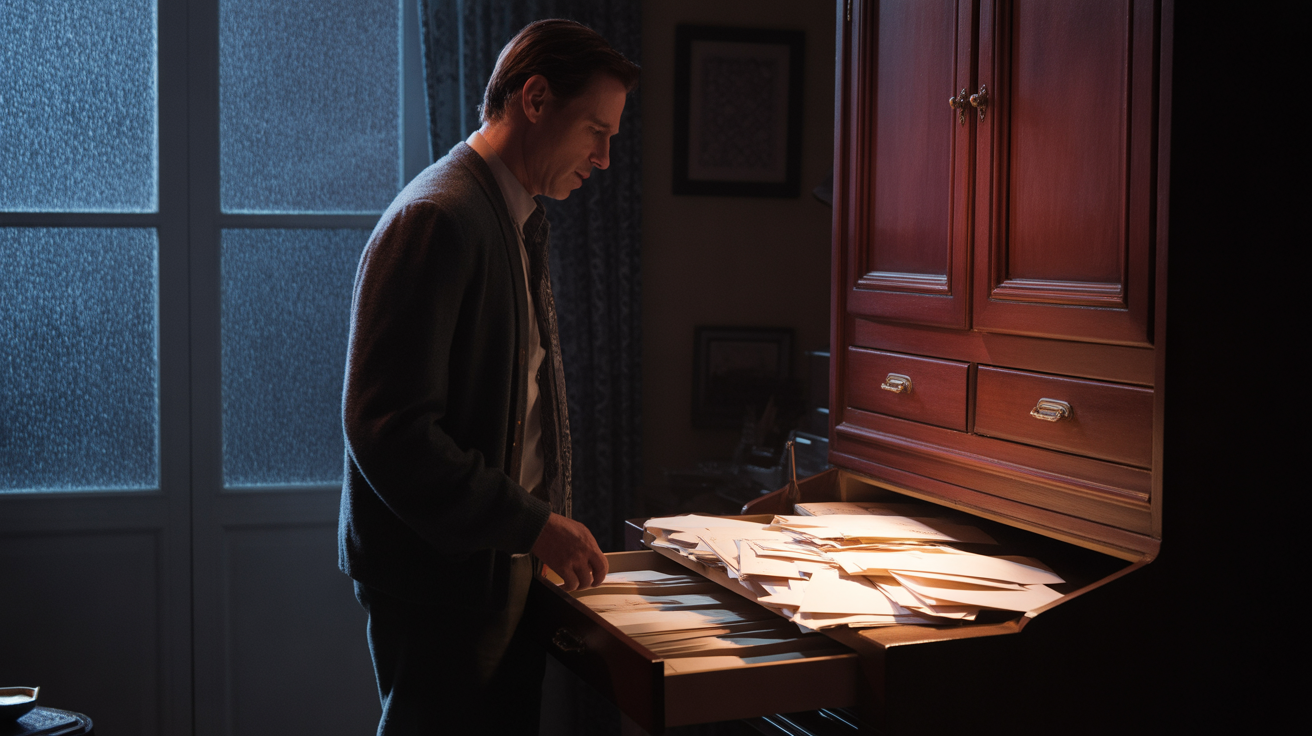
At 4:50 a.m., the wardrobe door opened. At 4:53, the kettle clicked. By 5:02, the front door closed with that careful gentleness people use when they do not want to be followed.
Jonah said it was temporary. A client in another district. A scheduling problem. An inconvenience.
However, inconvenience did not explain the new precision in his voice. It did not explain why he shaved on Tuesday nights, or why he stopped leaving his tie over the dining chair, or why he stared at nothing after dinner as though the week were narrowing toward a private edge.
“You know you can wake me,” Mara said the first time.
Jonah adjusted his cuff in the hallway mirror. “There’s no point. Go back to sleep.”
Sleep became impossible after that.
Wednesday Before Light
For nine years, their marriage had been built on visible habits. Shared groceries. Late tea. Sunday films they never finished because one of them always started talking halfway through. Even their silences had been companionable.
Then the Wednesdays changed.
At first, Mara respected the explanation because marriage is often an agreement not to interrogate every odd week. Still, the pattern hardened. Each Tuesday, Jonah grew distracted. Each Wednesday, he left before dawn. By Thursday evening, he was almost tender, as though relief had replaced whatever strain had taken hold the night before.
Meanwhile, Mara found herself noticing small betrayals of routine. His phone stayed face down. Receipts disappeared. His laundry smelled faintly of cold air and train-brake dust. Once, during lunch, she clicked through the Drama archive and hated how quickly her mind supplied the ugliest explanation.
Affairs were vulgar in the imagination and strangely elegant in suspicion. By contrast, the truth inside a marriage was usually less flattering.
The Platform in Her Mind
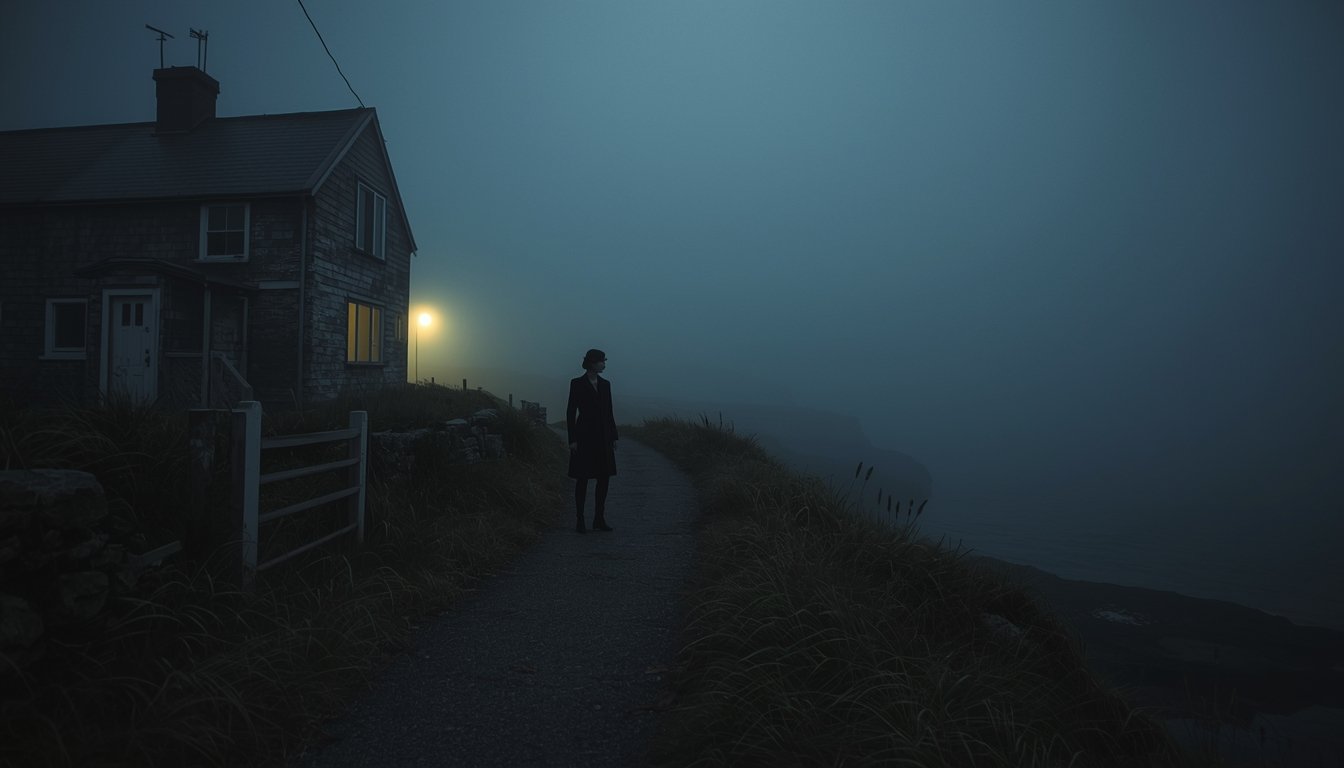
On the fourth Wednesday, Mara rose after he left and stood by the kitchen window with a mug cooling in her hand. Dawn had not yet formed. The street below looked bluish and unfinished. A taxi moved through the dark, then vanished at the corner.
She tried to picture Jonah in motion. Ticket barrier. Platform edge. Breath clouding in winter air. The image refused to stay ordinary.
Later that evening, he came home carrying croissants from the station bakery they used to love when they were younger and poorer. It was a clever peace offering because it looked casual.
“You didn’t need to do that,” she said.
“I passed the shop.”
“You pass shops every day.”
His smile came a fraction too late. “You’re tired.”
That line stayed with her. Not because it was cruel. Jonah was rarely cruel. Instead, it was dismissive in a practiced way, the tone of a man lowering a curtain without appearing to touch it.
After he showered, Mara found herself scrolling the Secrets & Suspense and Marriage & Secrets sections on her phone, as if genre could organize dread into something readable.
The One Morning She Followed
A week later, rain woke her at 4:31.
Jonah was already sitting at the edge of the bed, tying his shoes. He looked composed, but the muscles in his jaw were too tight for ordinary work.
“Meeting again?” Mara asked.
“Yes.”
“Another early train?”
His hand paused over the laces. “You make it sound dramatic.”
“Only because you refuse to make it sound real.”
For a second, she thought he might confess something. Instead, he kissed her forehead, took his coat, and left.
Ten minutes later, she was behind him in a taxi, giving the driver the station name in a voice that did not feel like her own.
The city at that hour seemed staged for confession. Closed florists. Wet pavements. Light behind bakery glass. At the station, Jonah crossed the concourse without hurry and boarded a northbound train three minutes before departure.
Mara bought a ticket and followed.
Northbound
The carriage was half empty. Jonah sat four rows ahead, angled toward the window. He did not read. He did not work. All the way north, he simply watched the dark loosen over industrial roofs and pale fields.
Mara kept her face turned aside whenever the train curved.
Forty minutes later, he got off at a suburb she had never heard him mention. The platform was clean, quiet, and lined with planters gone brown for winter. Beyond the station stood a low street of pharmacies, a florist, and a school built in red brick.
Jonah walked without hesitation. Not toward an office. Not toward a hotel. He crossed two streets, turned past a small church, and stopped outside a narrow house with blue shutters and a gate painted white.
A teenage girl opened the door before he knocked.
Mara stopped so abruptly her heel slipped on wet pavement.
The girl was perhaps sixteen. Dark hair. Long face. Jonah’s eyes.
Nothing else in the morning mattered after that.
The House with Blue Shutters
Mara stood across the street while rain thinned to mist. Through the front window she saw only fragments: the movement of three figures, a hallway lamp, Jonah removing his coat as though he had done it before.
Not once did he look lost.
Shock did not arrive like a scream. It arrived as arithmetic. Sixteen years old. Nine years married. Twelve years together. Enough room for a life she had never been told existed. Enough room for someone else to know his younger face.
Eventually, an older woman passed the window carrying a mug. Mara caught only a profile and the suggestion of gray in her hair. Not glamorous. Not threatening. Worse than that, she looked settled.
By noon, Mara was back home with damp cuffs and a silence so complete it altered the apartment. She did not cry. Instead, she cleaned the kitchen, changed the bedsheets, and answered emails with a fluency she could not feel.
Later, while trying not to imagine that blue-shuttered house, she drifted through the Romance, Psychological, and Thriller archives, as though one of them might offer a version of betrayal with cleaner edges.
What He Brought Home
Jonah returned at 7:12 with rain in his hair and apology already visible in the way he stood.
“You’re home late,” Mara said.
He closed the door quietly. “The trains were delayed.”
“Were they?”
He looked at her then, truly looked, and something in his face gave way.
“Mara—”
“Don’t start with my name like it protects either of us.”
He set down his keys. “What happened?”
“I took the early train too.”
The room changed. She saw the exact second recognition struck him, followed by the smaller, uglier knowledge that he had always known this day might come.
“You followed me.”
“I watched a girl with your eyes open a door before you knocked.”
Jonah closed his eyes.
“How old is she?” Mara asked.
“Sixteen.”
She laughed once, without humor. “At least your lies can count.”
The Name Between Them
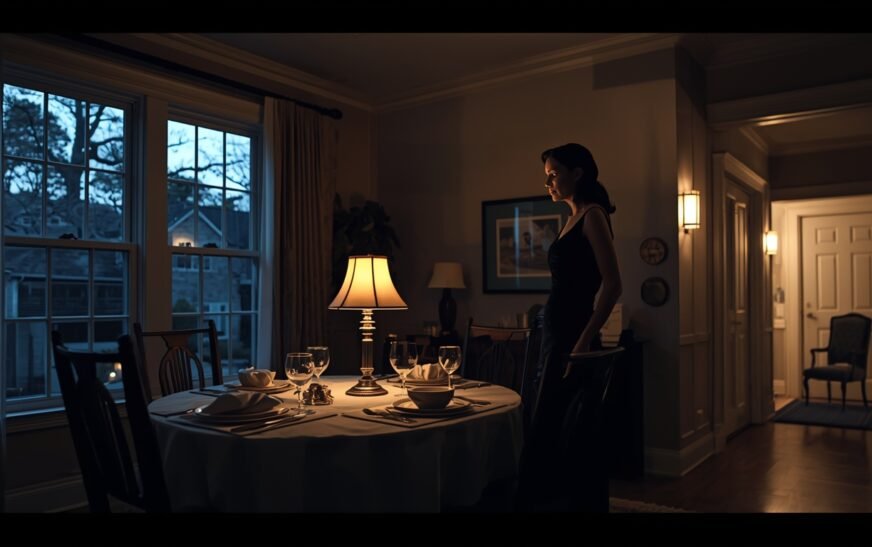
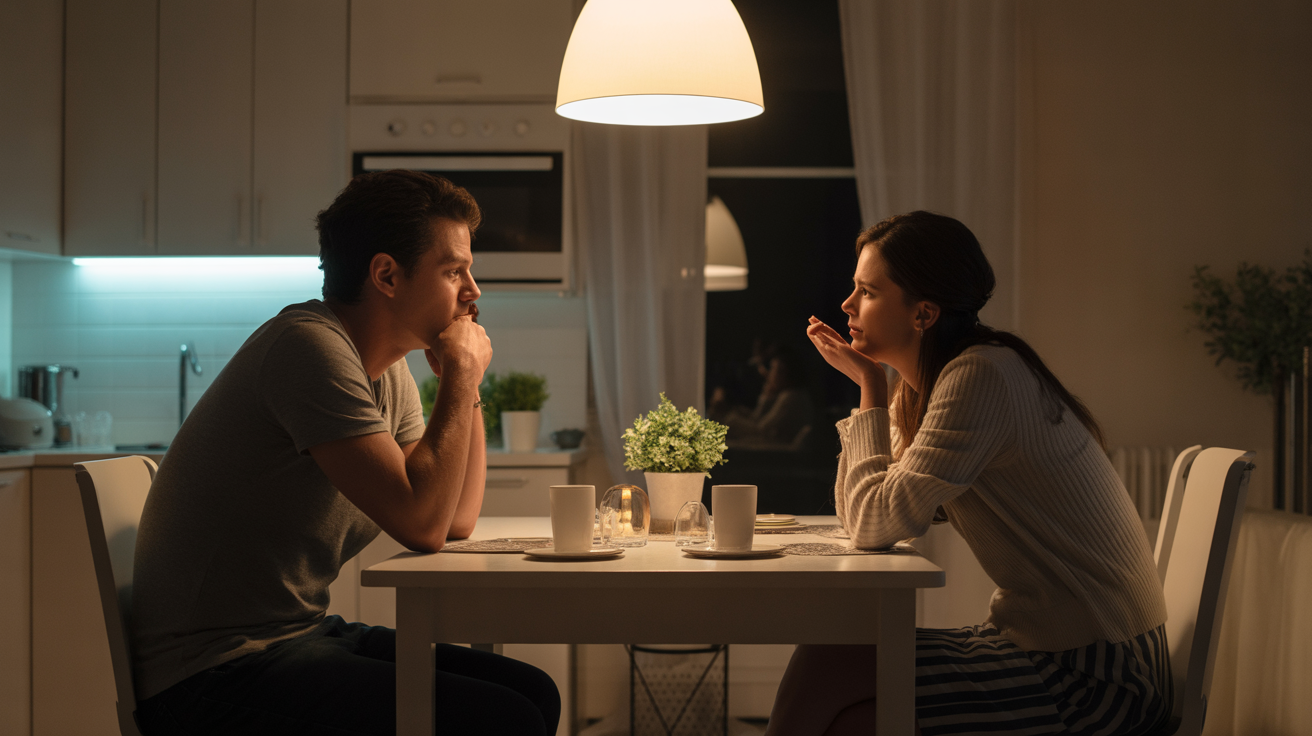
They stood on opposite sides of the dining table as if the furniture had chosen a side.
“Her name is Elin,” Jonah said. “I found out last year.”
Mara almost missed the sentence because it was not the one she expected. “You found out?”
He nodded. “I knew her mother in college. Briefly. Then she left the city. I never heard from her again. Last winter she wrote to me.”
“And you said nothing.”
“I didn’t know how.”
“No, Jonah. You decided I could be managed.”
Rain ticked against the windows. Somewhere in the building, pipes knocked once and fell still.
“Her mother is ill,” he said at last. “Not dying tomorrow. Not that kind of scene. But serious enough. She wanted Elin to know me before things got worse.”
Mara gripped the chair back until her fingers hurt. Illness. A child. Letters. Wednesdays. An entire northern suburb concealed inside his polite voice.
“So every week you took the early train to become honest somewhere else.”
He flinched, and for a moment that gave her relief.
How Secrecy Changes a Marriage
“I was afraid,” he said.
“Of me?”
“Of what it would do to us.”
“Look around.”
He pressed a hand to the table edge. “At first, I thought I would tell you once I understood it myself. Then the first visit went badly, and the second was worse. Elin hated me. Her mother barely trusted me. Everything felt fragile. After that, each week I kept thinking next Wednesday would be the one when I could come home and explain it properly.”
Mara looked at him in disbelief. “You built a second life out of postponement.”
“It wasn’t a life.”
“No?” she said. “Because it had a route, a schedule, a door that opened before you knocked. That sounds very much like a life.”
He had no answer.
For a moment, she wanted him guilty in the simple way. An affair would have been vulgar and containable. This was harder. A hidden daughter made him less false and more unforgivable at the same time.
On the sideboard, her phone lit with saved pieces tagged routine disruption, hidden past, and quiet betrayal. The words felt cheap beside the room itself.
Elin
Later, Jonah told the story in full.
Elin’s mother had contacted him after keeping the truth for years. She had been stubborn, private, and apparently convinced she could handle everything alone. Then her health began to fail in ways that frightened even her. Therefore, she wrote.
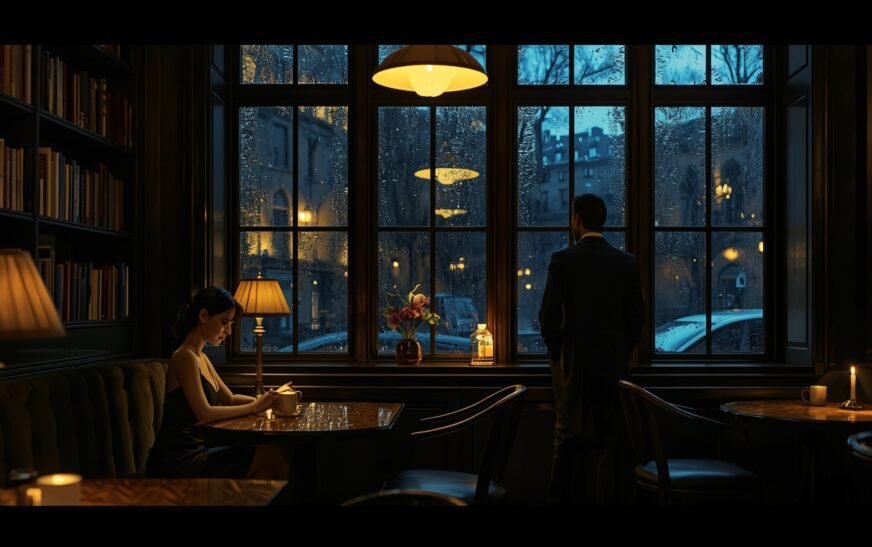
The first letter had arrived in February. Jonah had read it in his office stairwell and sat down on the step halfway through. A month later, he met them both in a café near the station. Elin barely spoke. By the third visit, she asked whether he always dressed like a man trying not to wrinkle the air.
Despite herself, Mara almost smiled.
“She sounds like she hates you elegantly,” she said.
“That’s accurate.”
“And her mother?”
“Tired,” Jonah said. “Careful. Not interested in rescuing me from this.”
At least that was honest.
He explained the Wednesdays then. School started late on that day. The early train gave them one quiet hour before the city fully woke. Sometimes they walked. Sometimes Elin asked brutal questions. Sometimes she ignored him and let the silence do the work.
“I should have told you the first week,” he said.
“You should have told me before you bought the second ticket.”
After the Confession
They spoke until the room lost its evening shape.
Not gracefully. Not kindly. Truth, once delayed, rarely enters with manners. Mara accused him of arrogance. Jonah accepted the word because there was no cleaner one. He said he had not wanted her first feeling about Elin to be resentment. Mara replied that secrecy had guaranteed exactly that.
Nevertheless, another feeling had begun moving underneath the anger. It was not forgiveness. It was not tenderness either. It was the dreadful recognition that Elin existed whether Mara behaved beautifully or not.
“Does she know about me?” Mara asked.
“Yes.”
“And?”
He looked away. “She asked whether my wife knew. I said not yet.”
Mara turned toward the window because the humiliation of that answer was too sharp to face directly.
Outside, the streetlamps blurred in the glass. Inside, the apartment felt altered, as if one wall had moved a few inches overnight and would never be set back properly.
Her mind snagged on old terms she had searched during the previous weeks: family secret, secret meetings, trust erosion, and emotional suspense. None of them felt literary now. They felt administrative.
The Next Wednesday
A week later, Wednesday came again.
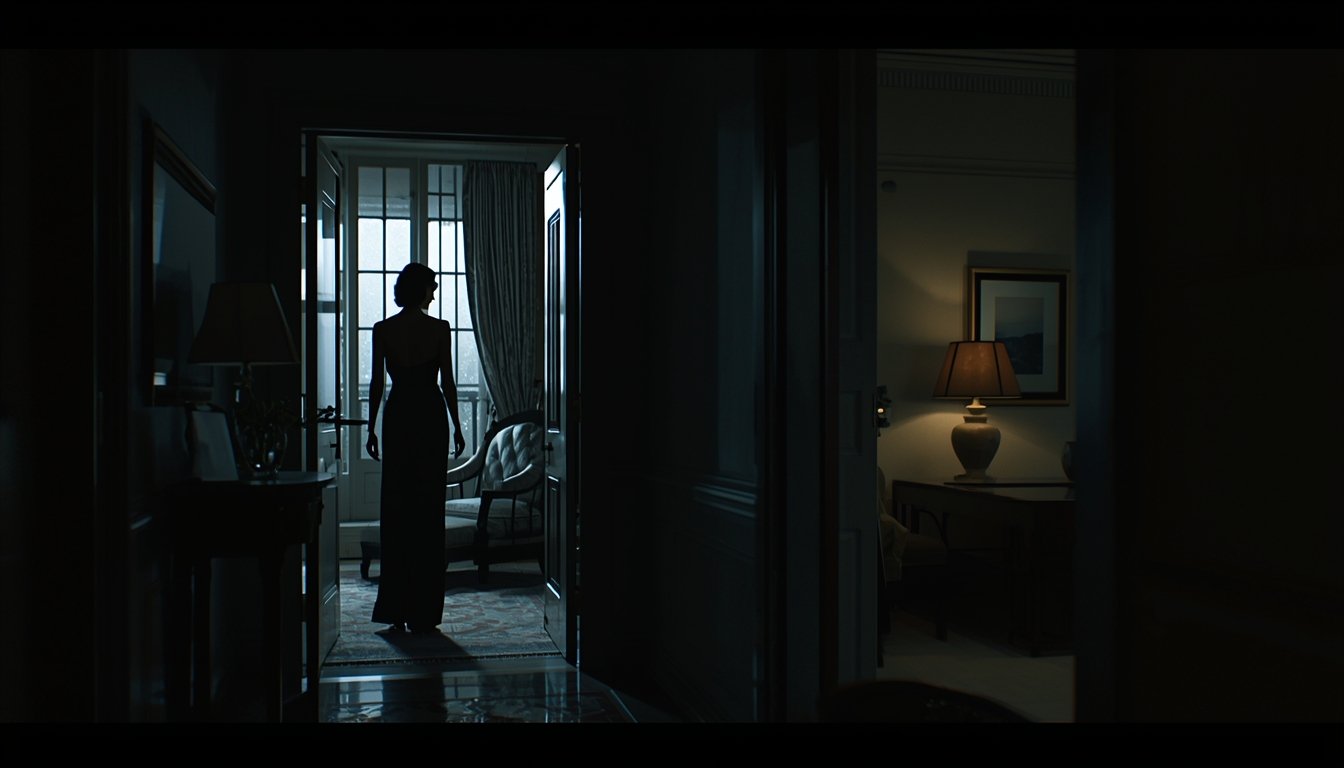
At 4:48 a.m., Jonah stood in the hallway with his coat over one arm. He did not move toward the door. Mara watched from the kitchen, where water warmed slowly in the kettle.
“I can stay,” he said.
“No.”
“Mara—”
“Go see your daughter.”
The word changed him. Daughter. Not problem. Not mistake. Not past. Daughter.
He swallowed. “I don’t know what happens to us.”
“Neither do I.”
Rain whispered against the windows. The kettle began its thin pre-boil murmur.
“But take the early train,” she said. “Don’t miss it because you finally decided truth should arrive dressed as sacrifice.”
For the first time in weeks, Jonah did not try to answer neatly. He only nodded, stepped closer, and stopped before touching her, as though tenderness now required permission.
After he left, Mara stood alone in the kitchen and listened to the apartment absorb the quiet. The early train still moved through their marriage, but it no longer sounded like infidelity. Instead, it sounded like consequence. It sounded like years rearranging themselves. More than anything, it sounded like a life he should have trusted her to survive.