The House by the Water
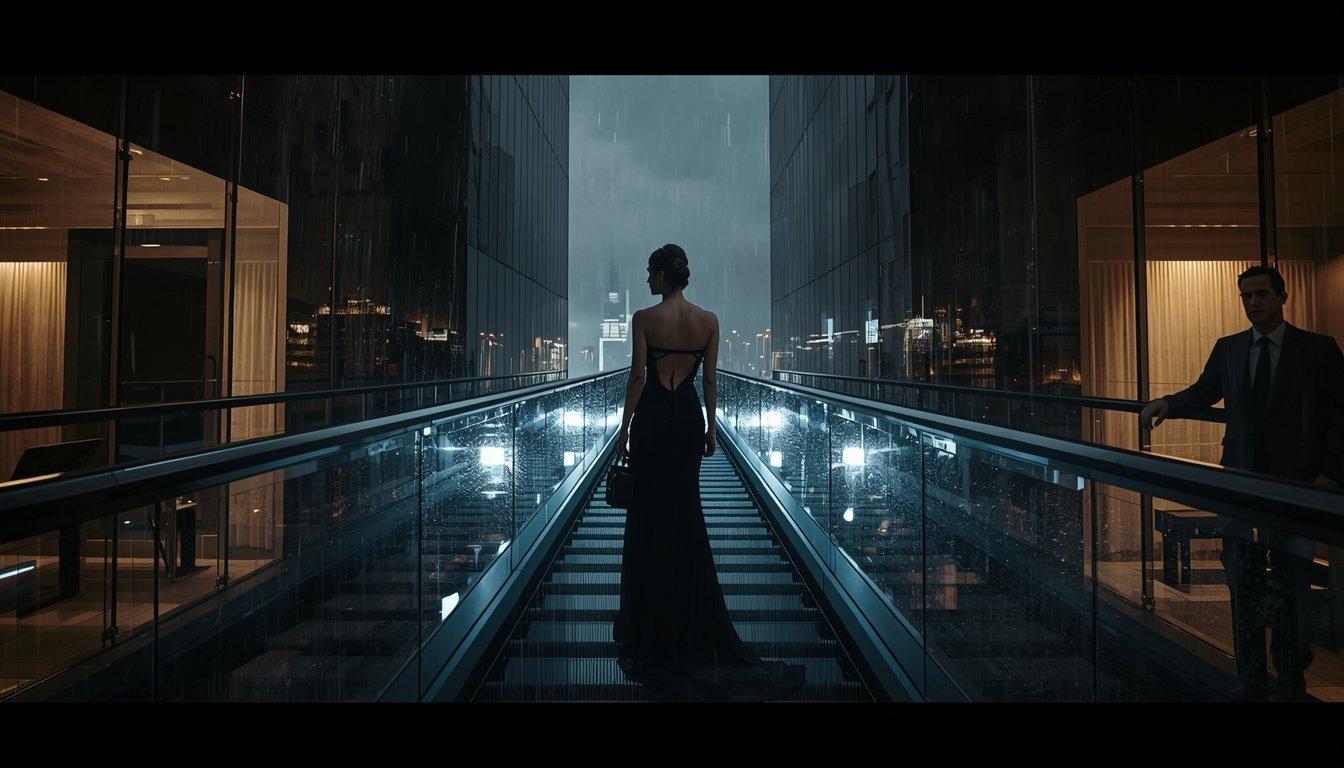
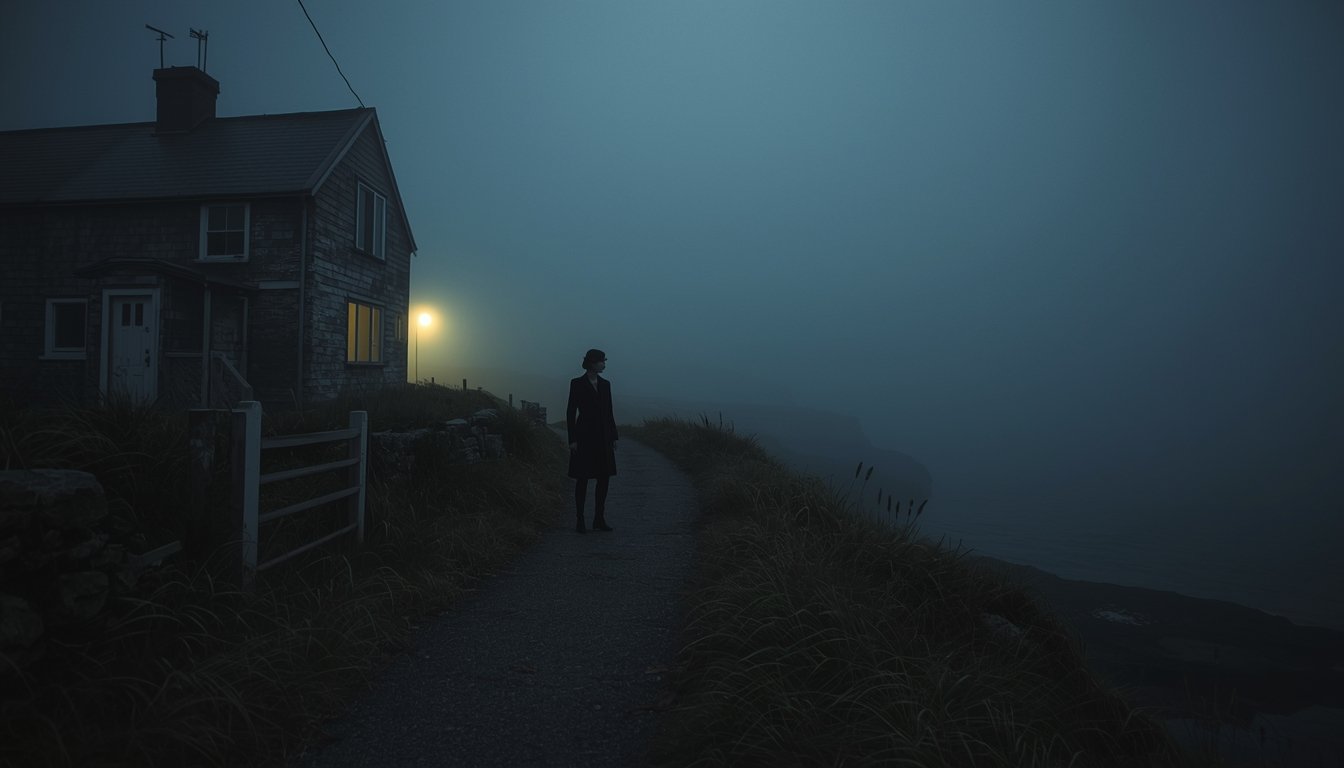
By the time Mara reached Blackwater House, the rain had turned the river into a sheet of dark metal. The old manor stood above it with shuttered windows and soot-stained stone, elegant in the same severe way her aunt had always been. A few cars still lined the gravel after the funeral, although most of the mourners had already left.
Only Elias remained on the front steps.
He stood with his hands in his coat pockets, watching her with that careful stillness he wore whenever he sensed something he could not control. Once, Mara had found that restraint comforting. Tonight, it unsettled her.
“You were gone longer than I expected,” he said.
She glanced past him toward the house. “I stopped at the churchyard.”
He nodded, but his eyes stayed on her face as though grief should look cleaner than it did. Mara said nothing. Grief had never been neat in her family. It lingered in rooms, in glances, and in long silences that people called dignity because the truth sounded uglier.
Aunt Vivienne had left her Blackwater House and a note with six words: Do not trust what was buried.
Inside, the air smelled of furniture polish, damp stone, and fading funeral lilies. Every room looked as though someone had just stepped out and might never return. Mara had lived here for three years as a child, after her mother’s reputation collapsed and every neighbor in town learned to lower their voice when saying her name.
She had planned to sell the house quickly. However, the river was rising, and the old place seemed unwilling to surrender quietly.
His Unease
Elias closed the front door behind them. “We should leave tonight,” he said. “You can deal with the property later.”
Mara removed her gloves slowly. “That’s the third time you’ve said that.”
“The road will get worse after dark.”
“Or you simply hate this house.”
A faint smile touched his mouth. “Both can be true.”
She did not answer. Instead, she listened. Somewhere beneath the floorboards, water moved through stone with a quiet, patient sound. It was not loud enough to call dangerous. Still, it was impossible to ignore.
The corridor toward the kitchen felt colder than the rest of the house. Mara followed it with her eyes and thought of the emotional dread found in Drama, especially the slow domestic ruin inside Marriage & Secrets. Blackwater House had always belonged to both.
The Cellar Flood
Later, while Elias stood by the drawing room fireplace taking a phone call, Mara picked up a lantern and made her way down the back stairs. The electric bulbs in the cellar passage had failed years ago. Moisture gleamed on the walls, and the air grew colder with every step.
Water covered the cellar floor when she reached the bottom.
The room served as a graveyard for everything the family no longer wished to display. Broken gilt frames leaned against warped trunks. A rusted cradle hook still hung from one ceiling beam. Meanwhile, river water slipped through a crack in the far wall and pooled around boxes and shelves with a dark reflective sheen.
Then the lantern light struck something bright.
At first Mara thought it was a coin. She crouched, reached into the cold water, and felt a chain slide across her fingers. When she lifted her hand, a silver locket rose dripping from the flood.
Her breath caught at once.
The engraving was familiar. Two reeds crossed beneath a crescent moon. Her mother used to draw that same symbol on recipe cards, shopping lists, and fogged kitchen windows. Mara had once asked what it meant.
Something kept secret too long, her mother had said.
Recognition
Footsteps sounded above her. Mara closed her hand around the locket just as Elias appeared at the cellar door.
“What are you doing down there?” he asked.
“Looking.”
He came down two steps, then stopped when he saw the rising water. “For what?”
Mara lifted the locket into the lantern light.
Something changed in his face.
The shift lasted less than a second, yet she saw it clearly. It was not confusion. It was recognition.
“Probably your aunt’s,” he said.
“You said that too quickly.”
“It’s a flooded cellar. I made a reasonable guess.”
She kept watching him. Tension gathered between them, thin and bright as wire. Around her ankles, the black water moved in small circles. The house seemed to pause and listen.
The most effective stories in Thriller and Secrets & Suspense often begin with a very small object. Mara understood why. A thing no larger than a hand could open a marriage like a knife.
Inside the Locket
She waited until she was alone before opening it.
Rain tapped against the windows in the blue bedroom at the top of the east wing. Mara sat on the bed where her aunt used to sort letters at night and pressed her thumbnail into the seam. After a moment, the clasp gave way.
Inside were two tiny portraits under clouded glass.
On one side was her mother at twenty-five. Mara knew the proud mouth, the grave eyes, and the dark hair pinned too loosely to stay obedient for long. On the other side was not Mara’s father.
It was Adrian Vale.
Elias’s father.
Mara stared until the room seemed to tilt. Adrian had died ten years earlier, admired in town as a disciplined banker and respectable family man. She knew his face from the photographs in her mother-in-law’s home. Elias carried the same mouth, the same cold symmetry when he held himself still.
Her mother and Adrian. Together in a locket. Hidden in the cellar of Blackwater House.
A sharp thought rose through her shock: Elias had recognized it.
The Hidden Drawer
Mara crossed the room and pulled open the drawers of her aunt’s writing desk. At first she found only bills, yellowed prayer cards, and bundles of ribbon. Then her hand struck something uneven at the back of the lowest drawer.
A false bottom.
Beneath it lay a slim packet wrapped in oilskin and a tarnished brass key.
Inside the packet was a brittle journal page in Vivienne’s hand.
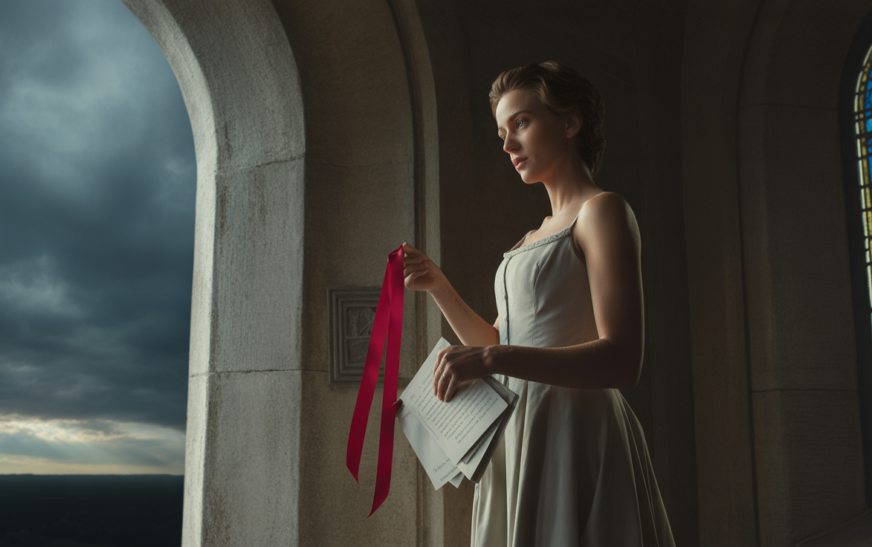
If Mara ever finds the keepsake, she must know Helena was not mad. Adrian promised to leave with her. He failed her, then allowed the town to call her unstable to protect himself. The child knows none of it. Later, if Elias learns the truth, he will do what men like his father always do: preserve the family name and call it love.
Mara read the words twice. They did not soften.
Behind her, a floorboard creaked on the landing.
The Doorway
When she turned, Elias was standing there.
His tie had been loosened. His expression revealed almost nothing, which was worse than anger. Mara held up the journal page.
“Did you know my mother and your father were lovers?”
Silence stretched between them. Then Elias stepped into the room and shut the door behind him.
“I knew there had been gossip,” he said.
“That is not what I asked.”
He looked at the locket. “Yes. I knew before we married.”
The answer hollowed the air from her lungs.
“How?”
“My mother told me after Father died. She had found letters years earlier and burned most of them.”
Mara let out a quiet laugh that held no amusement. “Most of them.”
He said nothing.
“Did Vivienne know you knew?”
“She asked to meet me two months before the wedding.”
Mara went still. “And you told her?”
“No.”
That single word felt heavier than all the rest.
The Marriage Reframed
Until that moment, Mara had thought of her marriage as a collection of ordinary joys and manageable disappointments. Now, however, it rearranged itself in her mind. What she saw instead was a long corridor with one locked door at the end, and Elias passing it every day without once offering her the key.
She remembered every careful answer, every polished silence, every time he called the past unhelpful. Once, she had mistaken that restraint for maturity. Tonight, it looked like training.
Stories rooted in Psychological tension often break a character this way. Not with violence, but with recognition. Memory turns uncertain. Love becomes suspicious. The entire shape of a life slides quietly toward Mind Games before anyone raises their voice.
“What is the key for?” Elias asked.
“I haven’t tried it yet.”
“Mara, this won’t help.”
“Help whom?”
He flinched, almost invisibly.
The Locked Cabinet
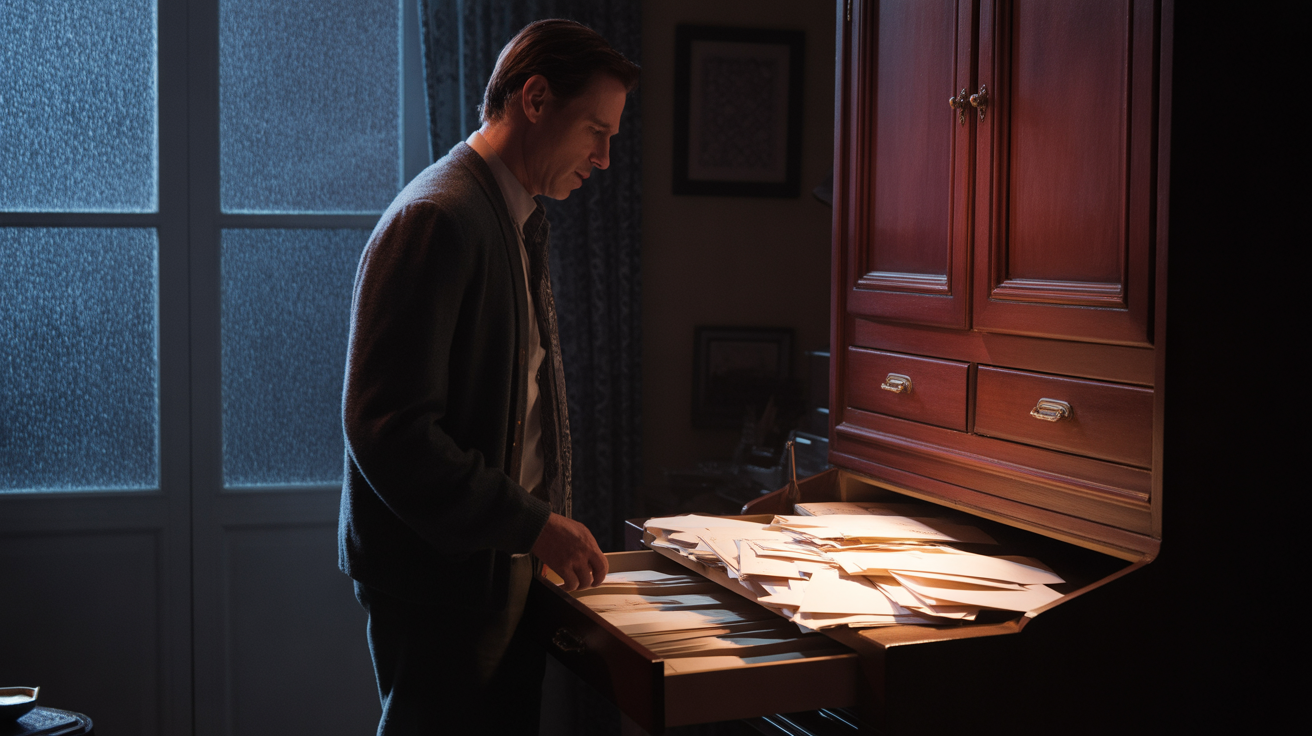
She brushed past him and walked down the hall to Vivienne’s private sitting room. The wallpaper there was patterned with silver herons, faded by age and river light. Between the windows stood a tall walnut cabinet with a brass lock gone green at the edges.
The key fit immediately.
Inside were ledgers, a velvet jewelry box, and one sealed envelope addressed simply to Mara.
Elias said her name behind her, but she was already breaking the seal.
The letter inside was brief.
Your mother planned to leave Blackwater in autumn. Adrian begged her to wait until he had moved funds she could use. Instead, he warned his wife, who warned the priest, and by evening the town had its version. Helena was ruined before sunrise. She never forgave him. I do not believe she forgave herself for trusting him either.
If Elias has married you without speaking, he is weaker than I hoped. Still, weakness is not always cruelty. Decide which he is before this house decides for you.
Mara lowered the page slowly.
What He Called Love
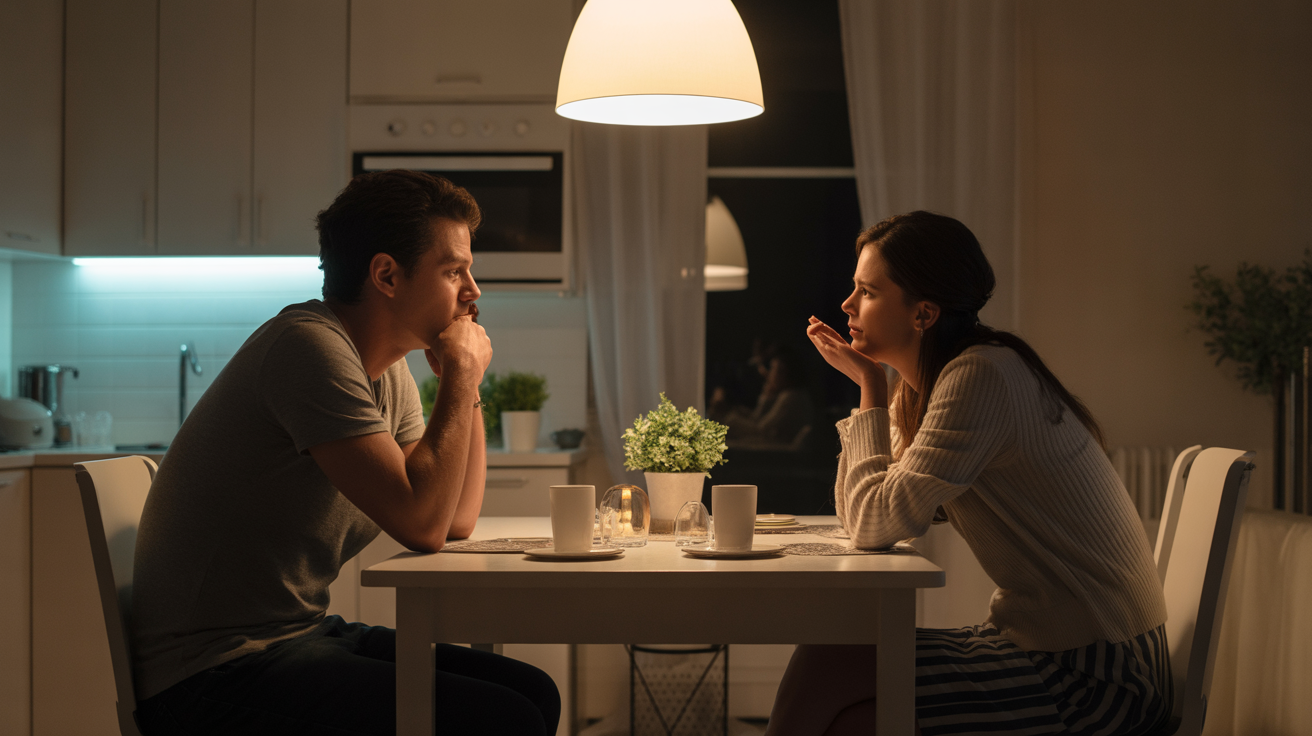
“You wanted this place sold before I found any of this,” she said.
“I wanted the past buried,” Elias replied.
“Because it hurt you?”
He looked at her steadily. “Because I knew it would hurt you.”
“So you chose for me.”
“I loved you.”
Mara’s smile was almost kind. “Men say that when they mean they wanted time.”
His jaw tightened. “That isn’t fair.”
“Fair would have been honesty before vows.”
For the first time that night, exhaustion showed through his control. “I thought if our life was good enough, it would matter less.”
“To whom?”
“To everyone already dead.”
She folded the letter with careful hands. “You knew your father helped destroy my mother. You knew my family had carried that ruin for years. Yet you still let me stand beside you and promise my life to you without hearing the truth.”
“I am not him.”
“No,” Mara said quietly. “You are simply quieter.”
That hurt him. She saw it clearly. Nevertheless, it gave her no comfort.
The House After Midnight
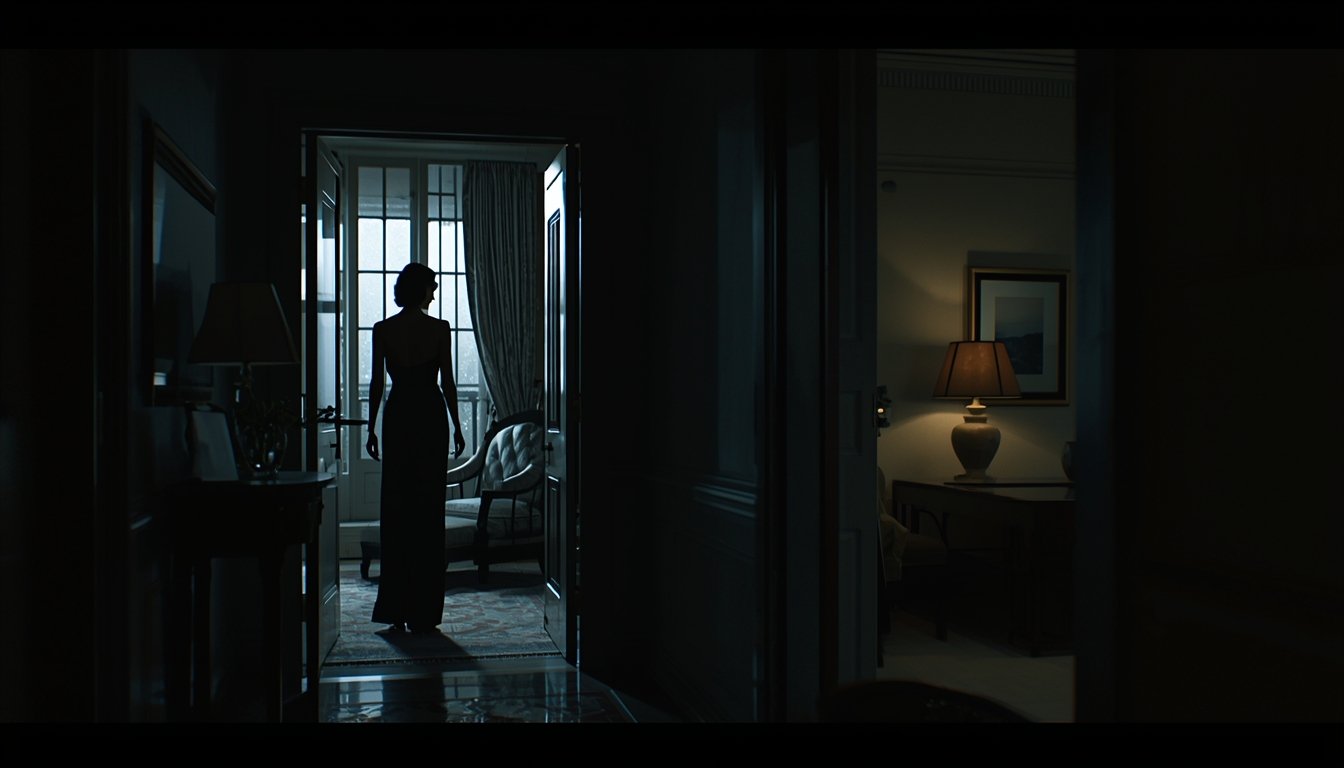
The power failed just after midnight.
Blackwater House fell into darkness so complete it felt ceremonial. Emergency lamps stayed dead. Lightning flashed behind the windows in brief white fractures, and the river threw back the light like broken glass.
Mara carried a candle downstairs because stillness had become unbearable. At the back hall, she found water pushing beneath the kitchen door. The river had reached the threshold.
“We need to go now,” Elias said behind her.
She turned, candlelight sharpening the planes of his face. “So you can drive me home and ask for patience?”
“So the road doesn’t vanish under us.”
He reached for her arm, and the gesture felt suddenly too familiar, too intimate, too practiced. Mara stepped away before he could touch her.
“Don’t.”
He let his hand fall at once.
“Tell me what you want,” he said.
She listened to the water moving through the old foundation. Her mother had waited for a man who chose his name over her future. Vivienne had preserved scraps of truth because women in this family understood how easily a story could be taken and rewritten.
Then Mara looked at her husband and saw him fully: loving, restrained, frightened, dishonest, and still hoping elegance might soften what truth had done.
“I want a life no one edits for me,” she said.
Before Dawn
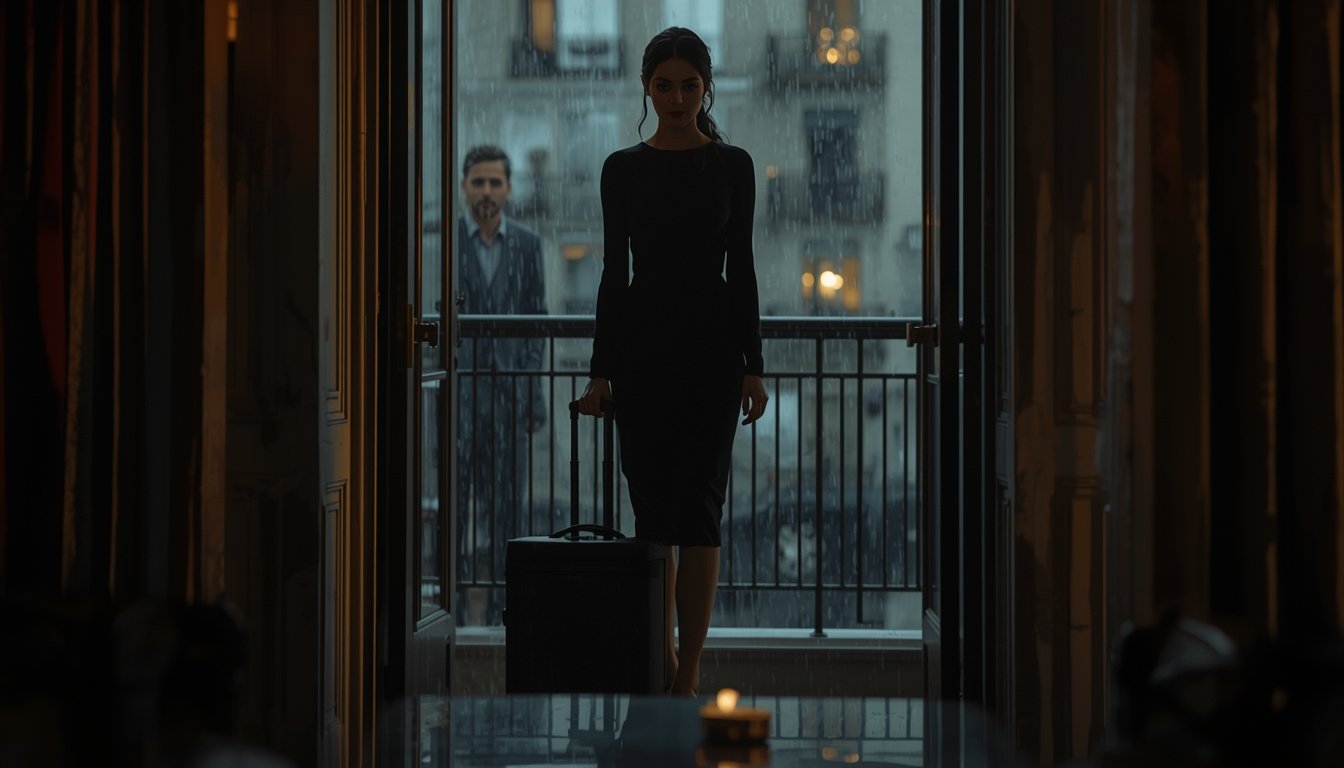
They left Blackwater House separately.
Mara packed one case, the locket, the journal page, and Vivienne’s letter. Elias carried the bags to the car without speaking. Outside, the rain had faded to a fine mist, although the river still pressed close through the trees like a threat waiting for daylight.
At the gate, she stopped.
Behind them, the manor stood with dark windows and a flooded cellar, keeping whatever remained of its secrets for another season. Perhaps more letters would surface. Perhaps none would. Either way, enough had already risen.
“Are you leaving me tonight,” Elias asked, “or punishing me tonight?”
Mara turned to face him. “You still believe those are the only choices.”
He did not speak.
“I’m leaving the version of my life you arranged,” she said. “What happens next depends on whether truth changes you or merely embarrasses you.”
He looked as though he wanted to answer with something beautiful. At last, perhaps, he understood beauty would only insult the moment.
“Where will you go?” he asked.
“Somewhere dry.”
Then, because she was not cruel, only finished with softness for now, she added, “Do not follow me before morning.”
What the Locket Became
Later, in a hotel two towns away, Mara stood at the window and watched dawn fog swallow the river road. She placed the open Blackwater House locket on the table beside a cup of untouched tea.
The tiny portraits faced the ceiling.
It no longer looked romantic. Instead, it looked costly.
Still, she could not bring herself to hate her mother for keeping it. Some loves survive not because they are noble, but because betrayal preserves them more sharply than happiness ever could. That, Mara thought, was the real structure of family secrets: not only lies, but entire rooms built around them until everyone mistakes the structure for home.
She opened her notebook and wrote down every detail before exhaustion could soften the edges. The flooded cellar. The reeds and crescent moon. Vivienne’s warning. Elias in the doorway. The brutal relief of hearing the worst thing at last.
At the bottom of the page, she wrote one final line and underlined it twice.
Buried truths do not disappear. They learn the shape of water.
Outside, morning widened slowly over the river. Somewhere behind her, in a house built on silence, old walls were drying around a secret that had failed to stay drowned. Mara closed the notebook, slipped the hidden promise of the locket into her coat pocket, and stepped toward a day that was uncertain, unsentimental, and finally her own.
Readers drawn to Romance may hope for rescue. Readers who stay for broken trust, emotional betrayal, gothic house, and psychological tension know something harsher. Sometimes the most elegant ending is not reconciliation. Sometimes it is the quiet moment a woman walks away with the truth at last.