By the fifth week, Clara had started measuring her marriage by the thursday silence.
It always arrived at 6:40 p.m.
Not with a slammed door or a cruel word. Daniel was not that kind of man. Instead, the silence entered softly, almost politely, while he buttoned his coat in the hallway mirror and said he would not be late. Never once did he kiss her in a hurried way. Guilt did not show on his face. That, perhaps, made it worse.
For eleven years, their life had been built on repetition. Coffee at seven. Groceries on Sunday. A late glass of wine after the dishes. Even their arguments had a familiar rhythm, as though both of them respected the architecture of the house enough not to shout inside it. However, something had shifted in recent weeks. Thursday had become a sealed room in the middle of their marriage, and Clara was standing outside it with her hand on the knob.
“You’re quiet again,” she said one evening.
With unnecessary precision, Daniel folded the cuff of his shirt. “I’m tired.”
Tired had become a corridor he disappeared down whenever she came too close.
When the Week Began to Lean
At first, Clara blamed work. The year had turned heavy for everyone. Deadlines stretched later, tempers shortened faster, and even the train platform near her office felt harsher by dusk. Therefore, she told herself not to dramatize one evening a week.
Still, the change was specific enough to resist explanation. Monday Daniel was attentive. Tuesday he asked about her meetings and remembered which colleague she disliked. On Wednesday, he stood behind her while she cooked and read ingredients from jars in an announcer’s voice until she laughed. Then Thursday arrived, and the warmth withdrew from him by degrees.
By noon, his replies became careful. By four, his eyes seemed fixed on some inner appointment. By 6:40, he was gone.
Meanwhile, Clara began noticing the absence in her body before she noticed it in the room. Her shoulders tightened. Too early, she listened for his key. Without meaning to, she checked the time again and again. Once, while scrolling stories in the Drama archive during lunch, she caught herself wondering why fictional marriages were easier to diagnose than her own.
That thought embarrassed her. Then again, embarrassment is often only fear dressed well.
A House That Heard Everything
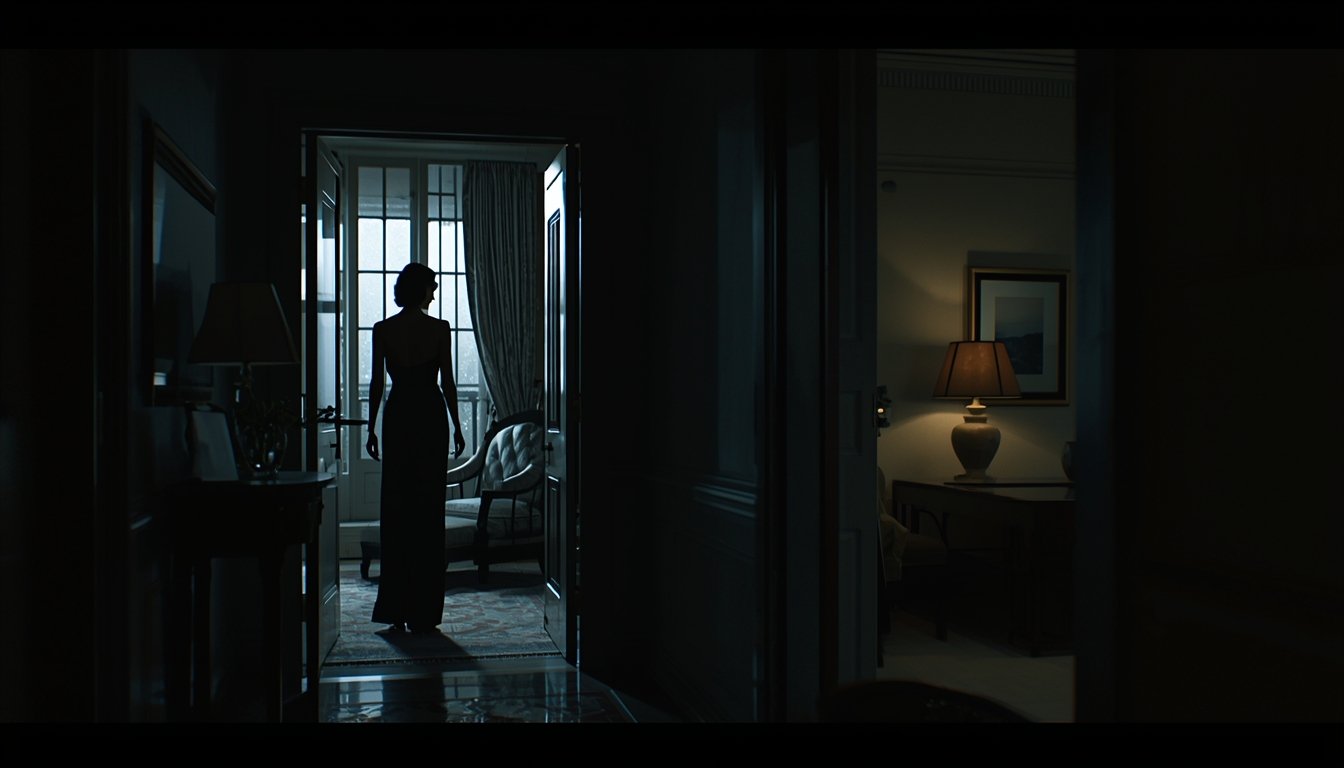
Their home was narrow, elegant, and full of sounds that carried. The third stair clicked under a careful foot. The kitchen tap gave a brief shiver before running straight. Rain on the back windows made the dining room feel enclosed, like a secret kept under glass. Clara had once loved that intimacy. Now she wondered whether the house had been training her to hear what was missing.
On the sixth Thursday, she stayed in the doorway while Daniel tied his shoes.
“Are you going to tell me where you keep going?”
He looked up, not startled, only reserved. “I told you. I’m helping with something.”
“That isn’t an answer.”
“It’s the one I have.”
Outside, rain moved across the street in silver lines. For a moment, Clara thought he might soften. Instead, he reached for his keys and gave her the same expression he wore with difficult customers, the one that said patience had replaced honesty.
After he left, she wandered from room to room without purpose. Later, she ended up reading pieces tagged emotional distance and quiet betrayal, as though language might hand her a map. It did not. Nevertheless, it gave shape to the ache.
The Friend Who Noticed First
On Saturday, her friend Mirelle studied her over coffee and said, “You’ve started pausing before simple questions.”
Clara gave a brittle smile. “That sounds unbearable.”
“It sounds married.”
The café windows were fogged with winter breath. Around them, spoons touched porcelain, chairs dragged, and two women near the counter argued gently about a holiday booking. Ordinary noises. Safe noises. Clara wrapped both hands around her cup.
“He leaves every Thursday,” she said. “Same time. Same voice. Same blank face.”
Mirelle’s brows lifted. “Did he tell you why?”
“Only in the way people say something without saying anything.”
“And you think it’s another woman?”
Clara stared at the spoon beside her saucer. “I think it’s worse that I can imagine one so clearly.”
Mirelle did not rush to comfort her. That was one reason Clara loved her. “People hide many things before they hide lovers,” she said. “Shame. Debt. Grief. Fear. Still, secrecy changes the temperature of a house.”
That sentence stayed with Clara all afternoon. By contrast, Daniel spent the day almost tenderly attentive. He carried in groceries. Passing behind her, he touched the back of her neck. Later, he asked whether she wanted to order from the little Italian place they saved for celebrations. The warmth was so complete it felt staged.
She nearly hated him for being charming on the wrong day.
The Thursday Silence at Dusk
The following week, Clara came home early and watched him through the kitchen doorway.
At the counter, he was standing perfectly still.
His phone stayed untouched. Tea was nowhere in sight. Beside him, the mail lay unopened. One hand rested flat against the stone, as if he needed the surface to steady himself. To her, he looked like a man preparing for bad weather. He also looked like a man about to cross water.
“Daniel?”
Too quickly, he turned. “You’re home.”
“Clearly.”
For a moment, she saw something raw pass over his face. It was not guilt. It was not even shame. More than anything, it resembled dread. However, the expression vanished so fast she wondered if she had imagined it.
He pulled out a chair for her. “Long day?”
“Don’t do that.”
“Do what?”
“Arrange the room before you leave it.”
The line landed harder than she expected. Daniel’s hand tightened on the chair back. Neither of them spoke.
Finally, he said, “I’ll be back by nine.”
“That sounds like you’re speaking to a receptionist.”
“Clara.”
“No. You don’t get my name as a shield.”
The old clock in the hall clicked once, then again. After that, he took his coat and went out into the dark.
Ten full minutes passed before she followed him.
Across Town in Winter Light
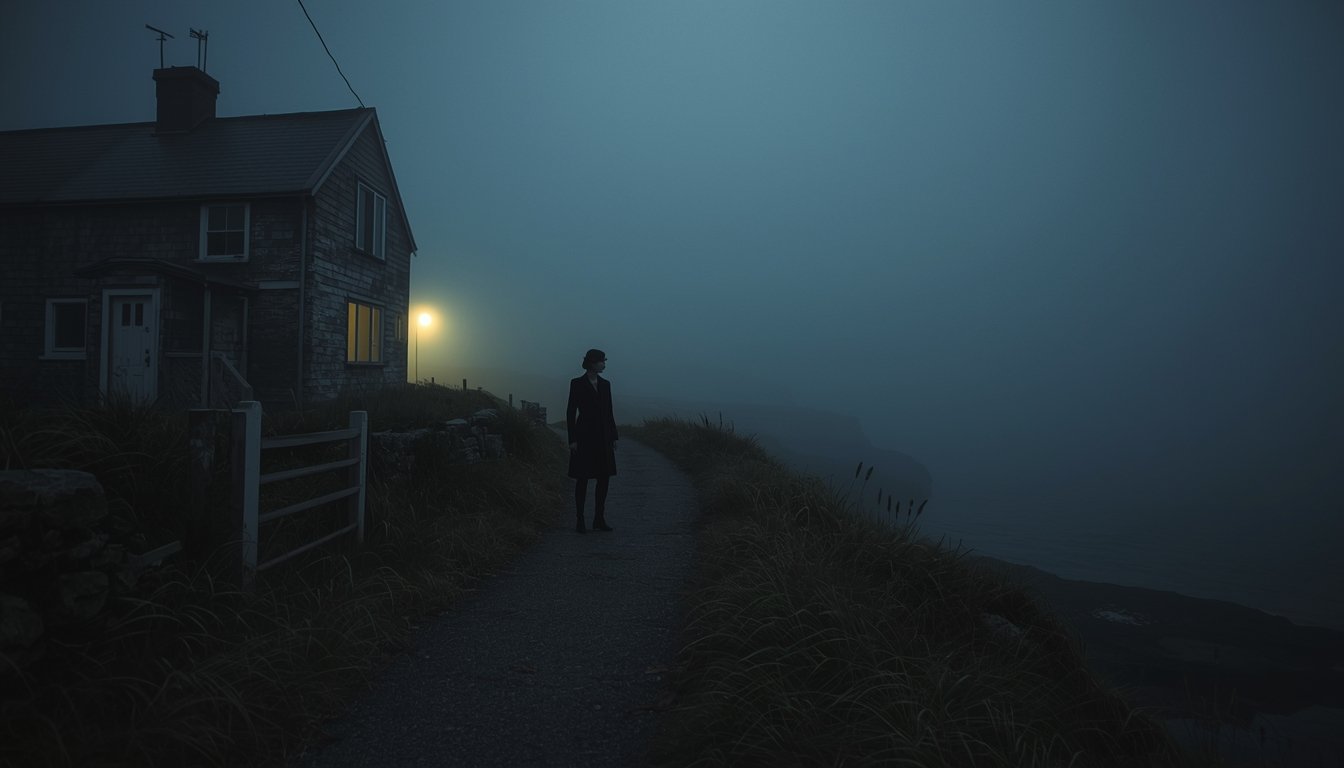
Clara had never followed anyone before. The act made her feel theatrical and faintly ashamed. Even so, shame did not stop her from keeping three cars between them when the traffic slowed near the river. Daniel drove carefully, as he did everything, and never once checked his mirrors in suspicion.
He crossed into an older part of the city where the buildings seemed to remember better decades. Antique shops stood beside shuttered cafés. A florist was closing under a striped awning. Further on, a church tower cut into the evening like a blunt instrument.
Daniel parked beside a community hall she had passed many times without seeing. No flowers. No candlelit restaurant. No hotel frontage. Nothing lurid enough to reward her dread.
Instead, people were going inside in twos and threes.
Some were elderly. Others were younger than Clara expected. One man held the door for a woman who looked as though she had spent the day trying not to cry. Near the entrance stood a handwritten board. From the car, Clara could not read it.
Daniel paused before going in. The hesitation in his body was unmistakable. Then he entered, and the door closed behind him.
For several seconds, she stayed frozen with both hands on the wheel. Then, because suspicion is greedy even when it is wounded, she got out and crossed the pavement.
The board by the entrance read: Thursday Group — Partners and Caregivers.
Clara stared at the words until they blurred.
Later, she would remember the cold rail under her hand and the way someone laughed softly inside the hall, not from happiness but from recognition. At first, she thought she had misunderstood. Surely there was another explanation. Surely Daniel could not be attending a group for partners and caregivers without telling her why.
The Name He Never Used
She did not go in.
Instead, she drove home too fast and stood in the dark kitchen until the room felt unreal. The sink reflected the garden light in a dull stripe. Their unopened bottle of wine sat where it had sat for three days. Somewhere in the neighborhood, a dog barked once and fell silent.
Caregivers.
Partners.
The words did not fit any version of her life she could tolerate.
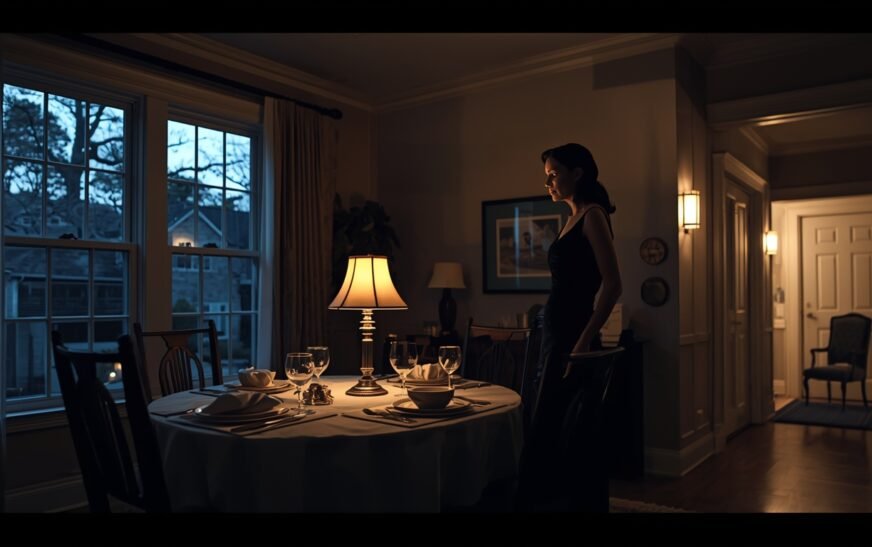
When Daniel came home at 8:57, she was waiting at the table without the lamp on. He stopped in the doorway.
“Why are you in the dark?” he asked.
“Why are you in that room?”
Only after she spoke did recognition strike him. Clara watched the color drain from his face.
“So you know,” he said.
“I followed you,” Clara replied.
“And you lied to me. You vanished on purpose. Repeatedly. All that time, I stood in this house inventing affairs and debts and second lives while you practiced not telling me whatever this is.”
Daniel closed his eyes once. “I didn’t know how.”
“How what?”
His voice lowered. “How to say the word without making it real.”
Clara felt the room contract. “What word?”
Then he looked at her with such naked fear that she hated him, loved him, and pitied him all at once.
“Decline,” he said.
The Appointment She Forgot
At first, she thought he meant the marriage.
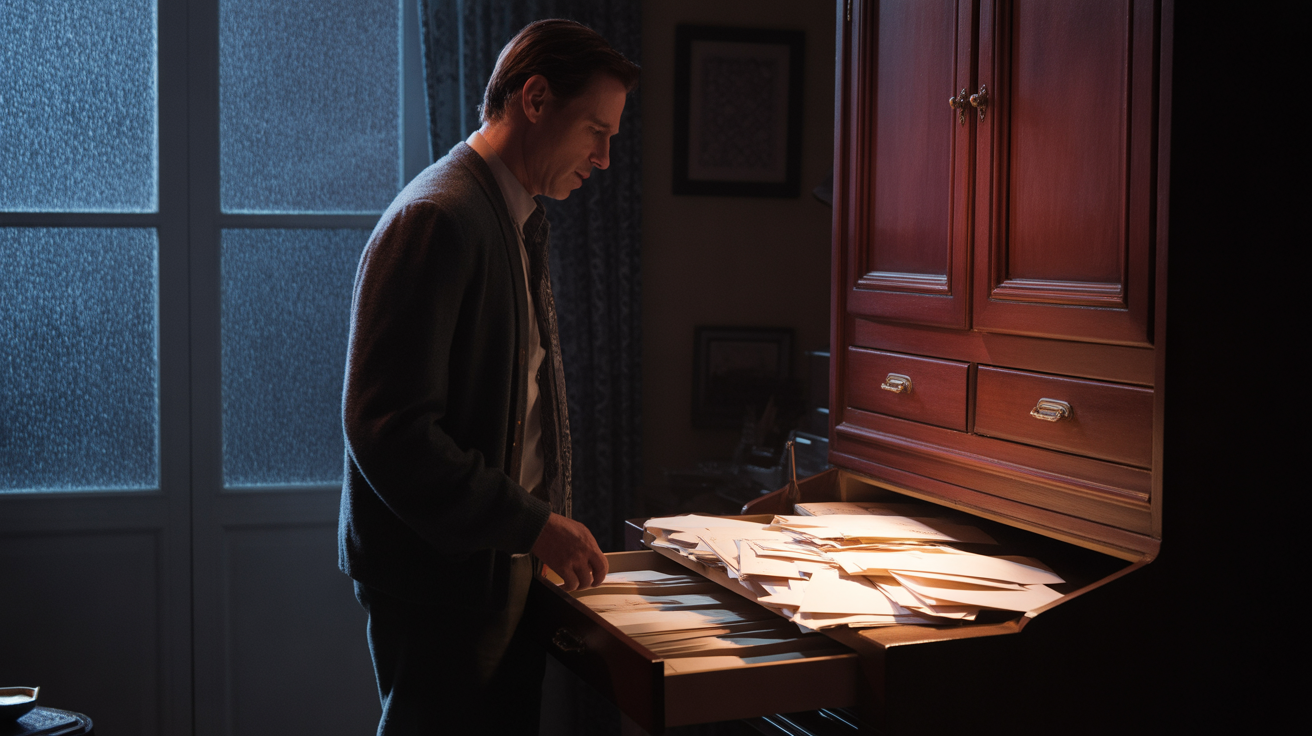
Then memory returned in broken pieces. A missed specialist appointment in October because she had insisted the earlier tests were overly cautious. Another letter had sat unopened for two days because work was busy. Daniel had asked, very carefully, whether she had called the clinic back. Clara said she would. Later, she laughed at how dramatic hospitals sounded over minor things.
She sat down before her knees could fail her.
Daniel remained standing, perhaps because he no longer trusted the floor.
“They called after the scan review,” he said. “You were in meetings. Then you told me not to make everything into a crisis.”
“So you went without me?”
“I went because they would speak to a spouse if they couldn’t reach you, and because I was frightened.”
On the last word, his composure cracked. For years, Clara had not heard fear in his voice. Not when his father died. Not during the flood in the basement. This sounded different. To her, it sounded stripped bare.
“What did they say?” she asked.
He came closer but did not touch her. “You need further testing soon,” he said. “There are early signs they cannot dismiss. It may be nothing irreversible yet. Waiting is dangerous.”
The kitchen seemed to tilt. Meanwhile, the old clock went on counting seconds with indecent calm.
“Why didn’t you tell me that night?”
Daniel gave a brief, joyless laugh. “Because you looked relieved I was home, and I could not bear to turn your face into that news.”
Clara pressed her hands together until they hurt. “So you decided for both of us.”
“No. I failed for both of us.”
What Silence Had Protected
She wanted anger. Anger would have been easier to carry than terror. Instead, humiliation rose first. It was not only the fear of illness, though that thought moved beneath everything like cold water. Worse than that, she had spent weeks translating Daniel’s dread into infidelity because betrayal was simpler than vulnerability.
“The support group,” she said. “You went there because of me?”
He nodded.
“Why there?”
Rain had begun again, dim and steady, when he turned toward the window. “Every Thursday I told myself I would come home and finally tell you. Then I saw you making lists, answering emails, planning dinners for next month, speaking as though time were obedient. I needed an hour with people who already knew what I was too cowardly to say.”
Clara let that sit between them.
Later, she would hate the elegance of his honesty. In the moment, it felt like standing too close to a cliff and admiring the view.
After the Word Was Spoken
On the sideboard, her phone buzzed with a saved article from Marriage & Secrets she had forgotten to close. Earlier that day she had also skimmed pieces under Romance and Secrets & Suspense, searching for a language dramatic enough to hold her dread. None had prepared her for this plain kitchen truth.
Quietly, Daniel said, “I was wrong to keep it from you.”
“You were,” Clara replied.
He nodded once. “And I know that.”
After a pause, she added, “I was wrong too.”
A small frown touched his face. “About what?”
She laughed once, shakily. “About how quickly I believed the worst version of you before I considered the frightened one.”
The Rooms They Had Avoided
They spoke for almost two hours after that.
Not gracefully. Not cleanly. Truth rarely arrives with manners.
Clara learned the group met in a side room with bad tea and stackable chairs. During the first session, Daniel had said nothing. By the third, he had admitted he was angry at her refusal to take the tests seriously. By the fourth, he had confessed that fear made him behave like an actor playing a husband in his own house. One of the women there had told him that silence always protects the speaker first and the marriage second.
“She was right,” Clara said.
“Yes.”
“And cruel.”
“Also yes.”
For a moment, they almost smiled.
Then the smile faded. Some distances do not close because both people name them. Still, naming matters.
Clara admitted she had ignored the clinic because the body felt easier to trust when it was unexamined. She confessed that the word decline had been haunting her for months, long before Daniel spoke it aloud. Sometimes, a forgotten appointment is only fear wearing good shoes.
Across from her, Daniel sat with his elbows on his knees, looking older than he had six weeks earlier. “I thought I was protecting your last ordinary days.”
“You were stealing them,” she said.
He bowed his head. “I know.”
By midnight, the house felt changed. It was not healed. Nor was it ruined. Instead, it felt honest in a way it had not been for some time.
After the Door Opened
The clinic called the next morning, and Clara answered.
There was no sudden collapse, no dramatic ambulance light against the walls, no final diagnosis delivered with theatrical certainty. Instead, there were forms, referrals, dates, waiting rooms, instructions, and the peculiar bureaucracy of fear. Because reality is often less elegant than suspense, it was also more exhausting.
Daniel took the afternoon off without asking whether he should. Clara let him.
They walked once around the block before dinner. The air smelled of wet stone and cut hedge. A child in a red coat dragged a stick through puddles. Somewhere nearby, someone practiced piano badly enough to be endearing. Around them, the ordinary world continued with terrible confidence.
The Shape of Ordinary Days
On the way home, Clara brushed her fingers against Daniel’s hand. It was not forgiveness. Not yet. It felt more like a revision of distance.
Inside, while waiting for the kettle to boil, she opened tabs she had left from the week before: Dark Romance, Thriller, and Psychological. All those pages promised shadow, obsession, dread, and dangerous devotion. Meanwhile, her own life had produced something quieter and far more invasive: two people loving each other badly under pressure.
She closed the tabs one by one.
What Remained on Thursday
A week later, Thursday came again.
At 6:40 p.m., Daniel stood in the hallway with his coat over one arm. Clara watched him from the stairs. The light above them was soft, almost flattering, but neither of them looked improved by it.
“I’m going back,” he said. “To the group.”
She nodded.
“Do you want me to stay?”
Clara thought about the question. Once, she would have heard abandonment inside it. Now she heard effort. That was different.
“No,” she said. “Go.”
He hesitated. “I can tell them I told you.”
“I imagine they’ll be relieved.”
A faint, sad smile touched his mouth. Then he stepped closer and kissed her forehead, not like a husband performing tenderness, but like a man uncertain whether tenderness would be accepted.
After he left, the house was quiet again. Yet the thursday silence had changed shape. It no longer sounded like secrecy alone. Now it sounded like consequence. To Clara, it sounded like fear given a chair at the table.
What the Silence Meant
More than anything, the silence resembled the first honest thing in weeks.
At the dining room window, she watched the street darken under rain. The tests were still ahead of her. Trust, too, remained uncertain, perhaps returning in a new form rather than the old one. Nevertheless, she knew this: the worst hour in a marriage is not always the one containing betrayal. Sometimes it is the hour just before truth, when love has already entered the room and neither person has the courage to name it.
Her phone lit with reminders she had finally set, and beneath them the lingering tags she had searched in her panic: routine disruption, marriage strain, behavioral shifts, slow-burn tension, domestic suspense, and quiet fear.
Finally, she silenced the screen, drew the curtains, and waited for the kettle to sing.