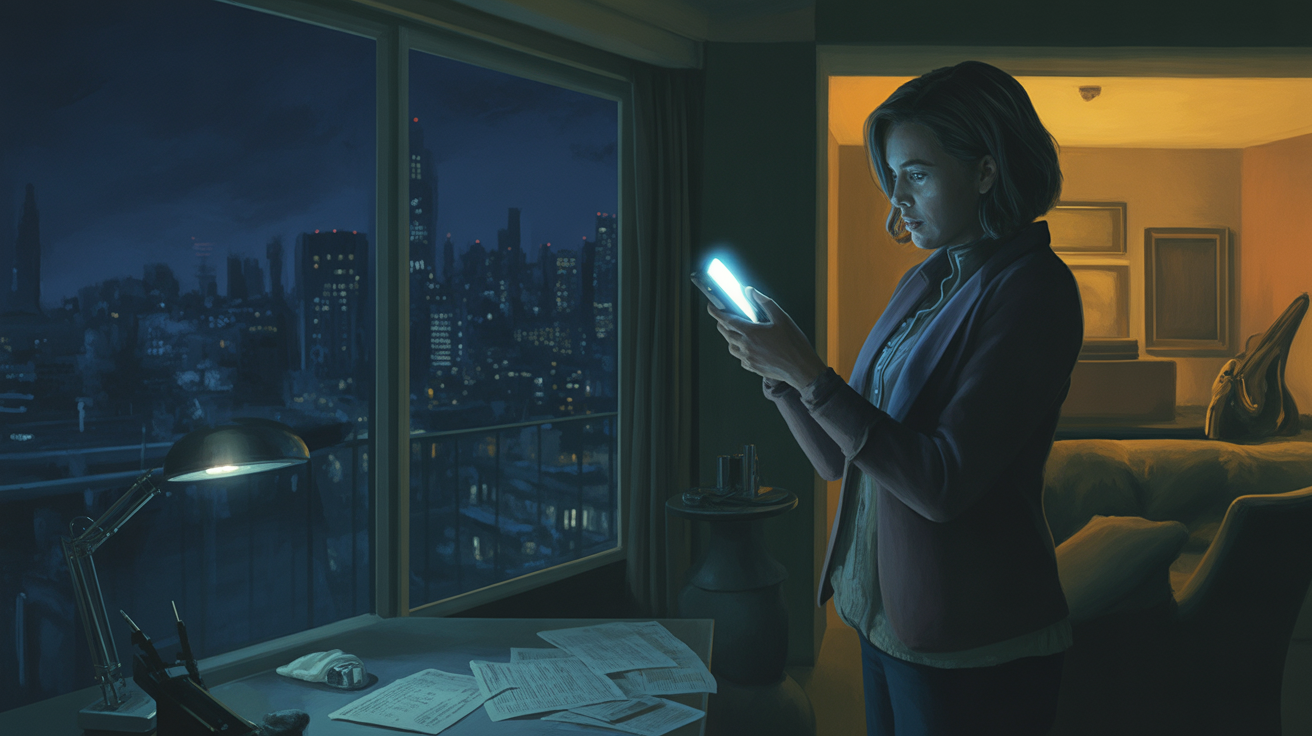
The same stranger appeared first on a Monday. Rhea noticed him because she noticed everyone. After three years of commuting from Cedar Grove into the city, she had cataloged the regulars. The woman with the red scarf who always read romance novels. The teenager who practiced violin fingerings on his thigh. The elderly man who fed pigeons from a paper bag despite the posted signs. Consequently, a new face stood out like a misplaced note in a familiar song. Secrets and suspense often begin with observation. This one began with a man who did not belong.
He stood near the ticket machines, hands in the pockets of a dark gray coat. His face was ordinary. Brown hair, clean-shaven, perhaps forty. He did not check his phone. Nor did he read a paper. Instead, he simply watched the crowd with a stillness that prickled at the edges of her awareness. When her train arrived, she boarded without looking back. Yet the image of his face stayed with her. Something about the eyes. They had met hers for a fraction of a second. And in that moment, she felt seen in a way she could not explain.
By Tuesday, she had dismissed the encounter. Commuters changed schedules. New jobs began. Faces came and went. She boarded her usual train at 7:42 AM and forgot about the stranger entirely. However, on Thursday, she saw him again.
The Second Sighting
This time, he sat three tables away at the café near her office. Rhea had stopped for her usual afternoon coffee, a brief escape from the fluorescent hum of her desk. She noticed him only after she had already ordered. The same ordinary face. The same dark gray coat. His eyes were fixed on a newspaper, but she could have sworn he had been looking at her a moment before. Her heart accelerated without permission. Meanwhile, the café buzzed with ordinary life. People laughed. Espresso machines hissed. No one else seemed to notice the man who had appeared in two places she frequented within a single week.
She told herself it was coincidence. After all, the café was popular. The train station served thousands daily. Ordinary faces belonged everywhere. Nevertheless, she gathered her coffee and left without sitting down. Walking back to her office with quick, deliberate steps, she paused at the revolving door to glance over her shoulder. The street behind her was empty. The stranger was nowhere. And yet, the feeling of being watched followed her into the elevator. Quiet dread did not require proof. It required only a pattern that refused to explain itself.
Testing the Coincidence
On Friday, Rhea changed her routine. Taking an earlier train—the 7:18 instead of the 7:42—she bought coffee from a different café and ate lunch at her desk rather than walking to the park. By evening, she felt foolish. She had rearranged her entire day around a man who had done nothing more than exist in her vicinity. Consequently, she resolved to stop. She would return to her normal schedule on Monday. Furthermore, she would stop scanning crowds for ordinary faces.
That resolution lasted until Saturday afternoon. She was at the grocery store three blocks from her apartment, reaching for a carton of milk, when she saw him in the produce section. The same stranger. The same coat. His back was to her, but she recognized the set of his shoulders, the particular stillness of his posture. Abandoning her cart, she left through the side exit. Her hands trembled as she walked home. Three times in one week. The same stranger. Her home, her work, her grocery store. He was everywhere she was. Or perhaps she was everywhere he wanted her to be.
The Escalation
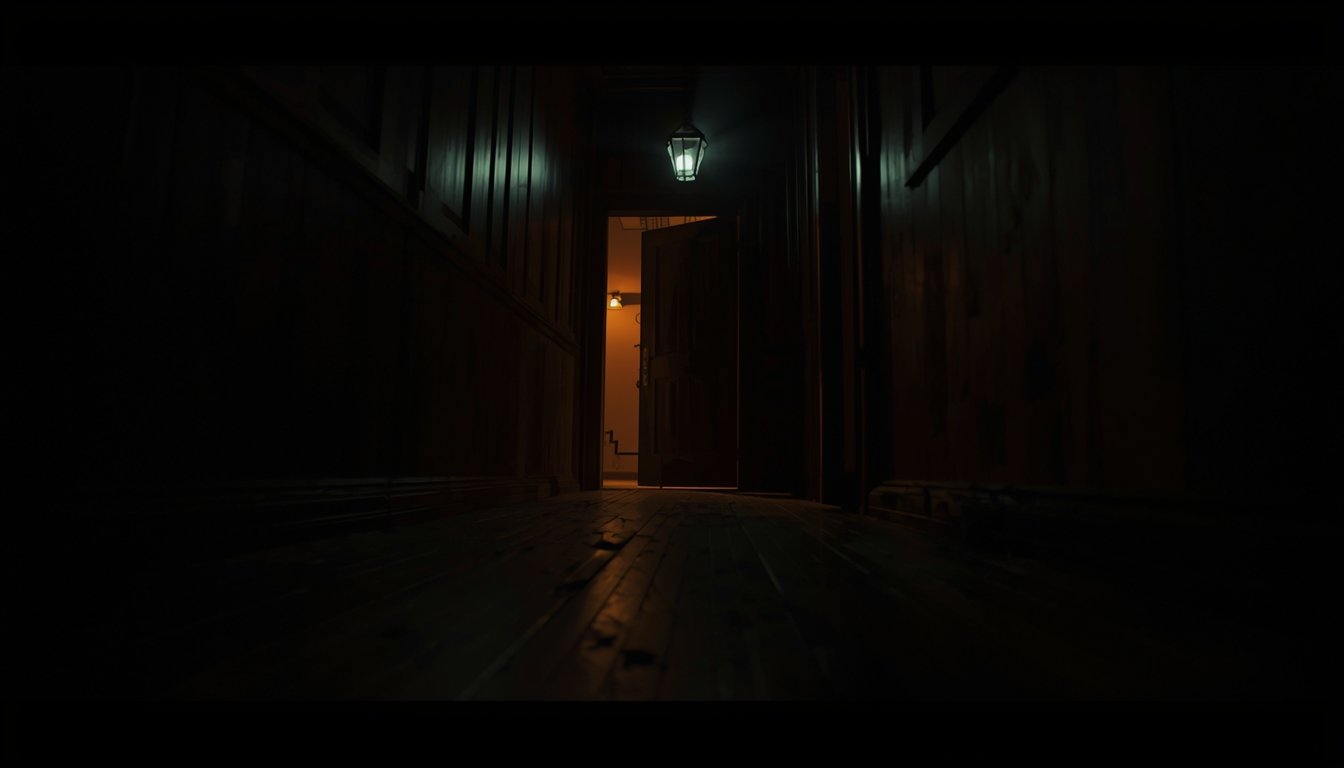
That night, she sat in her apartment with the lights off, watching the street through a gap in the curtains. She did not see him. She did not see anyone unusual. But the absence of evidence did not feel like safety. Instead, it felt like waiting. Timing-based tension had turned her own neighborhood into a stage. And she was no longer sure if she was the audience or the performance.
On Sunday, she called her friend Naomi and described the stranger. “Brown hair. Ordinary face. Gray coat. He’s been everywhere.” Naomi listened without interrupting. Then she asked the question Rhea had been avoiding. “Have you gone to the police?” Rhea hesitated. What would she report? A man standing in public places. A man who had never spoken to her, never approached her, never done anything except exist. She would sound paranoid. She would sound like a woman who saw threats in ordinary faces. And perhaps she was. Nevertheless, the feeling of being watched did not diminish.
Monday morning arrived. Rhea stood at the train platform, 7:42 AM, exactly where she always stood. She did not scan the crowd. She did not search for gray coats. Instead, she kept her eyes forward and her breath steady. The train arrived. She boarded. She sat in her usual seat. And when she looked up, the same stranger was sitting across from her. He smiled. It was a small, polite smile. Then he spoke.
“You’ve been noticing me.” His voice was soft, unhurried. “I wondered when you would say something.”
The Conversation on the Train
Rhea’s voice came out steadier than she felt. “Who are you?”
“My name is Daniel. I work for your husband’s law firm.” He paused, letting the words settle. “I’ve been asked to observe you. To document your routines. Your husband is preparing for a custody dispute. He believes you are unstable.”
The train rocked gently. Passengers read their phones. No one looked at them. No one heard the quiet detonation of her marriage inside a stranger’s mouth. Rhea’s husband had moved out six months ago. They had no children. There was no custody dispute. The lie was so complete, so carefully constructed, that she almost admired it. But she did not correct him. Because correcting him would reveal that she knew the truth. And she did not yet know what the truth would cost her.
“I see,” she said. “And do you believe I’m unstable?”
Daniel tilted his head. “I believe I’m being paid to watch you. What I believe doesn’t matter.” He stood as the train slowed. “I’ll be around. You’ll see me. It’s easier if you don’t run.” Then he stepped off the train and disappeared into the crowd.
Rhea sat frozen. The same stranger had been hired to watch her. But her husband had no reason to hire anyone. Which meant the stranger was lying. Or her husband was lying. Or the stranger was not a stranger at all, but something else entirely. Hidden motive pulsed beneath every word he had spoken. And she had no way to know which version of reality was true.
The Aftermath
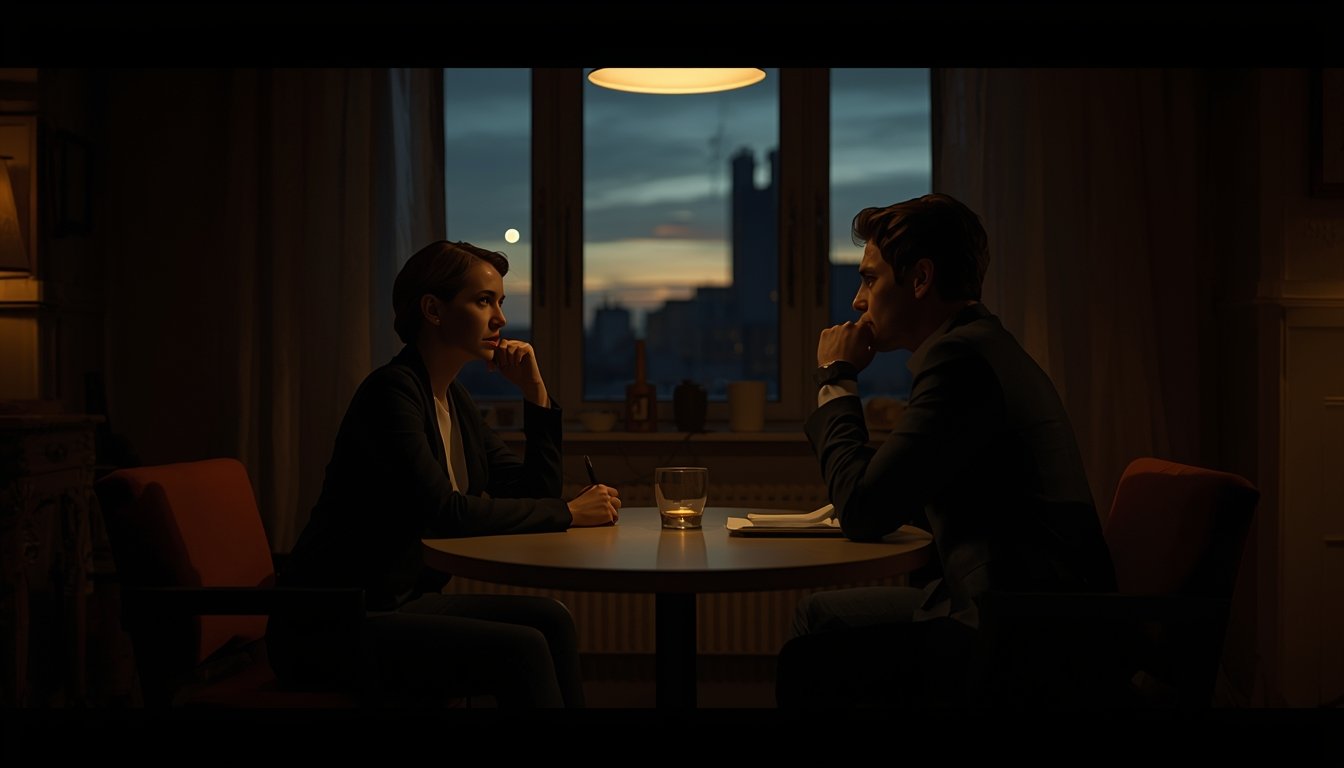
She did not go to work. Returning home, she locked the door and then called her husband. He answered on the second ring. “Rhea. What’s wrong?” She described the stranger. The train platform. The café. The grocery store. The conversation. His silence stretched. Then he said, “I didn’t hire anyone. I would never do that.” She believed him. Or she wanted to. But belief was no longer a currency she could afford.
That afternoon, she filed a police report. The officer listened patiently and took notes. “We can’t do much unless he threatens you or trespasses,” he said. “But we’ll have a car patrol your street tonight.” It was something. It was not enough. The same stranger knew where she lived. He knew where she worked. He knew her routines. And she knew nothing about him except a name that was probably false.
She did not see him on Tuesday. Or Wednesday. Or Thursday. The absence should have been a relief. Instead, it was a new kind of terror. Because he had said, You’ll see me. And she believed him. The same stranger was out there, watching, waiting. And she had no idea why. Thriller fiction often ends with resolution. But real fear ends with a question. Who was he? And when would he appear again?
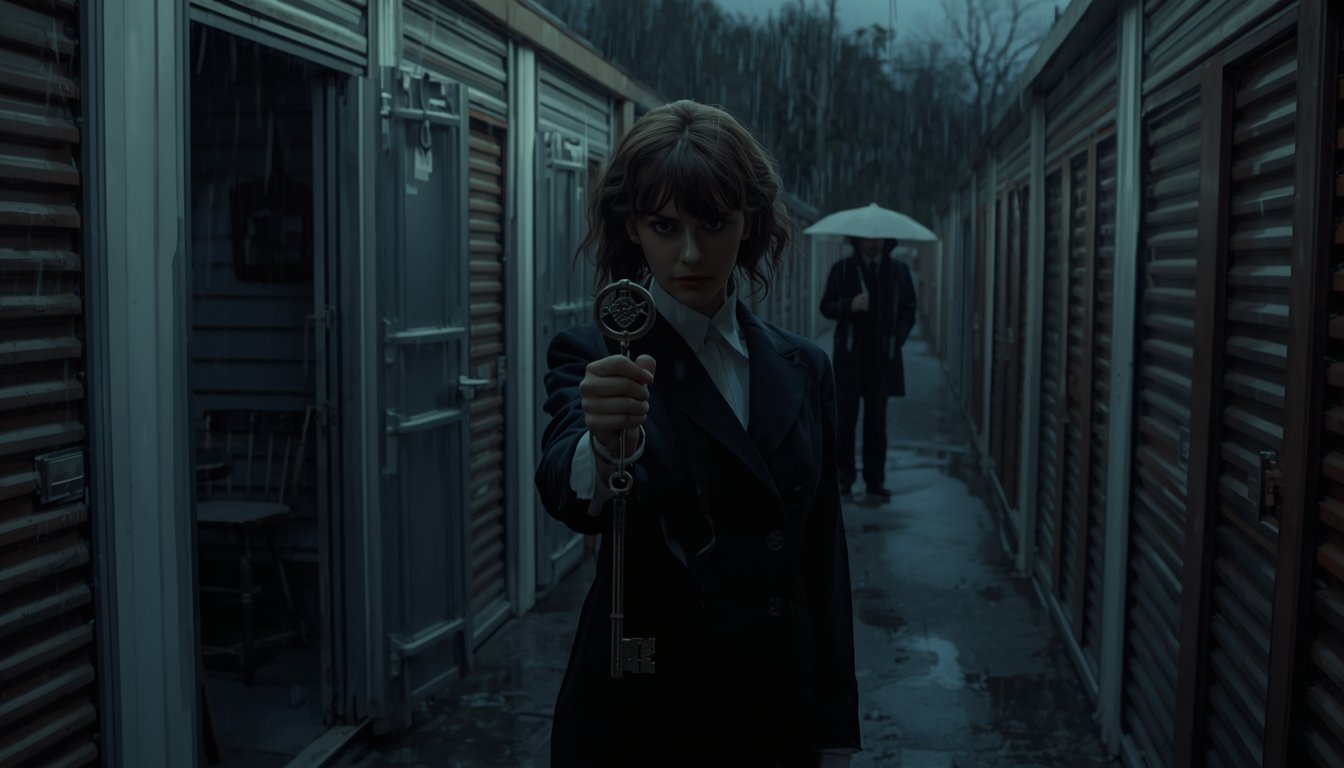
The following Monday, she saw him across the platform. He raised his hand in a small wave. She did not wave back. Nor did she run. Some threats do not need to chase you. They only need to wait.
Psychological suspense lives in the space between what we see and what we can prove. The same stranger was still out there. And she was still being watched.