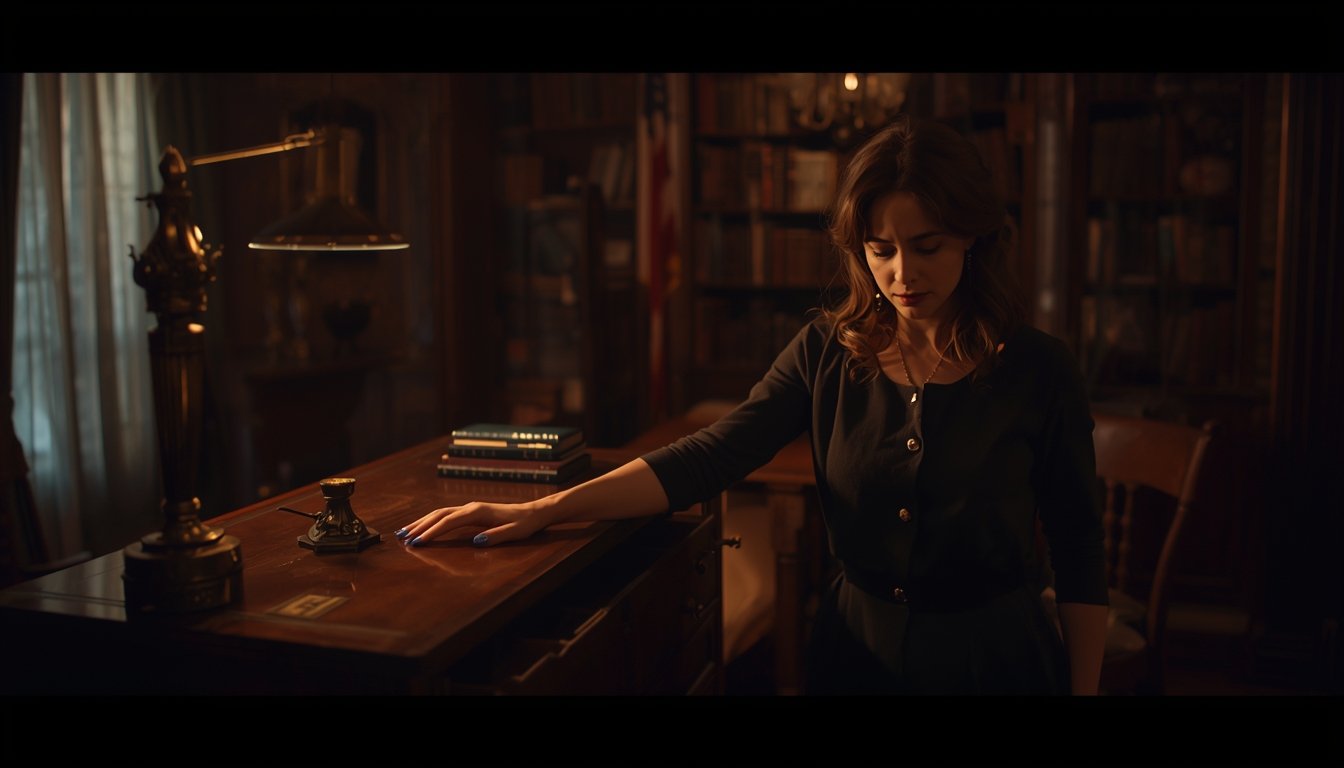
The last voicemail arrived at 11:47 PM on a Thursday. Maya did not listen to it until Friday morning, after she woke to an empty bed and a note on the kitchen counter that read, I can’t do this anymore. Nine words. No explanation. No warning. Just the cold finality of a decision made while she slept. Consequently, the voicemail became the only thread connecting the man she loved to the stranger who had walked out her door. Breakup and betrayal rarely announce themselves with shouting. More often, they arrive as a saved message you cannot stop replaying.
She stood in the kitchen for a long time, the note trembling in her hand. Then she remembered the notification. A missed call from him, timestamped eleven minutes before the voicemail. Her thumb hovered over the screen. Meanwhile, the morning light sharpened through the window, revealing dust motes suspended in the air, the unwashed coffee cup from yesterday, the evidence of a life that had been ordinary until it was not. At last, she pressed play.
The recording began with silence. Three seconds of empty air, the faint rustle of fabric, and then his voice. “I’m sorry.” Two words. Then another pause. Another breath. “Goodbye, Maya.” That was all. Nine seconds total. She listened again. And again. Each time, she searched for something hidden in the spaces between the words. A reason. A clue. A door she could open to understand why he had left. But the last voicemail offered nothing except the sound of his voice saying goodbye. Emotional absence had a sound. It was the silence before the apology.
The Days That Followed
By Monday, she had listened to the last voicemail forty-seven times. She kept count without meaning to. Each playback felt like pressing a bruise to see if it still hurt. It did. His voice remained calm, almost gentle. There was no anger, no hesitation, no tremor that might betray second thoughts. Instead, there was only the quiet finality of someone who had already left before the call began. Consequently, she began to wonder if she had ever really known him at all.
She returned to work on Tuesday. She answered emails. She attended meetings. Meanwhile, the last voicemail sat in her saved messages like a splinter she could not remove. During her lunch break, she slipped into the bathroom and listened to it twice. The silence before the apology had become familiar now. It was the shape of his absence. It was the space where an explanation should have been. And yet, she could not delete it. Because deleting the last voicemail would mean accepting that there would never be another. Quiet heartbreak did not announce itself with tears. It announced itself with repetition.
Her friend Sasha came over on Wednesday with wine and questions. “Have you heard from him?” Maya shook her head. “Have you tried calling?” Another shake. Sasha’s brow furrowed. “Then why do you keep listening to that message?” Maya did not have an answer. Or perhaps she had too many. She listened because his voice was still there. She listened because the silence before the apology felt like something she could solve if she just paid enough attention. And she listened because stopping felt like losing him twice.
The Unspoken Words
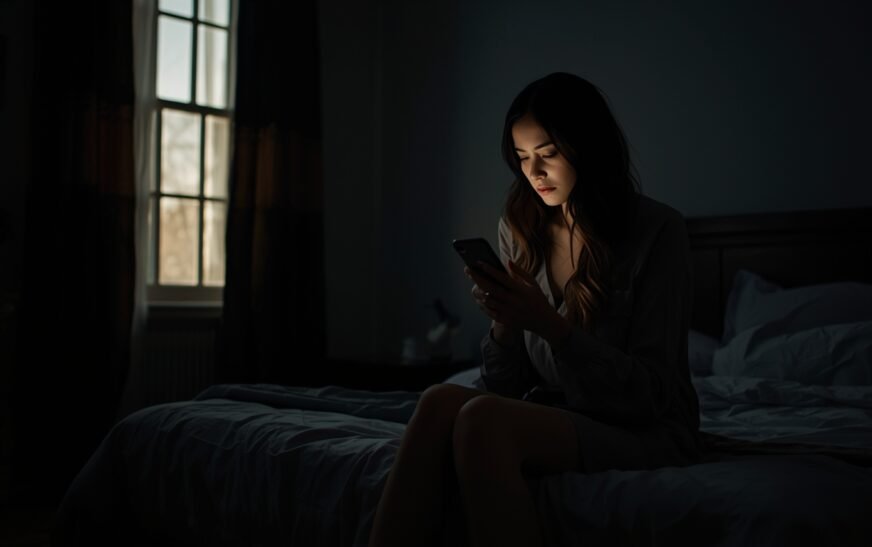
That night, after Sasha left, Maya sat on the edge of her bed and played the last voicemail again. Nine seconds. Silence. “I’m sorry.” Pause. “Goodbye, Maya.” She closed her eyes and let the sound wash over her. And for the first time, she noticed something new. The pause between I’m sorry and Goodbye, Maya was longer than the others. Two full seconds. In those two seconds, she heard a faint intake of breath. As if he had been about to say something else. As if he had stopped himself.
She played it again. Yes. There. A breath drawn in, then released. Words that never formed. A sentence that died before it could be spoken. The last voicemail was not a goodbye. It was an unfinished thought. And she had no way to know what he had meant to say. Unspoken distance was not measured in miles. It was measured in the words that never reached her.
She lay awake until dawn, the phone clutched in her hand. Somewhere out there, he was living without her. Sleeping without her. Becoming a stranger without her. And she was here, trapped in the two-second pause of a message he had probably already forgotten. The cruelty of the last voicemail was not the goodbye. It was the silence that surrounded it.
The Decision to Stop
On Thursday, one week after he left, Maya made a decision. She would delete the last voicemail. She would stop listening. She would stop searching for meaning in silence. She opened her phone and navigated to the saved messages. Her thumb hovered over the delete button. Meanwhile, her heart hammered against her ribs. Deleting the message felt like erasing the only proof that he had ever loved her. But keeping it felt like refusing to live in the world where he was gone.
She pressed delete. The screen asked, Are you sure? She was not. But she said yes anyway. The last voicemail vanished. Nine seconds of silence and apology, erased. And in the quiet that followed, Maya felt something shift. Not relief. Not closure. But a small, fragile opening. A space where new words could eventually grow. Behavioral shift did not require grand gestures. Sometimes it required a single choice made in the dark.
The First Night Without It
That night, she did not reach for her phone. She lay in the dark and listened to the sounds of the city outside her window. Cars passing. A distant siren. The hum of the refrigerator. Ordinary noises that had been drowned out by the repetition of his voice. And for the first time in a week, she slept without dreaming of the pause.
She did not forget him. She would never forget him. But the last voicemail was no longer waiting for her. It was no longer a thread she could follow into the past. It was simply a memory now. One she could choose to revisit or let fade. And slowly, quietly, she began to let it fade.
Drama in a breakup is not always loud. Sometimes it is the quietest sound in the room. Sometimes it is a saved message you finally learn to release. Psychological healing begins when we stop pressing the bruise.